
Powder coating delivers exceptional durability and finish quality for metal components across manufacturing, oil & gas, and aggregate industries. Understanding what metals can be powder coated is essential for industrial fabricators and engineers specifying protective coatings for equipment, structural components, and custom fabricated parts. This comprehensive guide examines the compatibility of various metal substrates with powder coating processes, surface preparation requirements, and performance considerations critical for commercial and industrial applications throughout the Western United States.
Common Metals Compatible with Powder Coating
The question of what metals can be powder coated has a straightforward answer for most ferrous and non-ferrous alloys. Steel, aluminum, stainless steel, galvanized steel, and most common industrial metals accept powder coating when properly prepared.
Carbon steel represents the most frequently powder coated substrate in industrial applications. The material's excellent thermal properties allow it to withstand the curing temperatures (typically 350-400°F) required for powder coating without warping or dimensional changes. Steel components benefit from powder coating's superior corrosion resistance compared to traditional liquid paints, making it ideal for equipment exposed to harsh environments in recycling facilities, aggregate operations, and oilfield applications.
Steel and Carbon Steel Substrates
Carbon steel's compatibility with powder coating stems from its metallurgical stability at curing temperatures. Mild steel, hot-rolled steel, and cold-rolled steel all perform exceptionally well under powder coating systems.
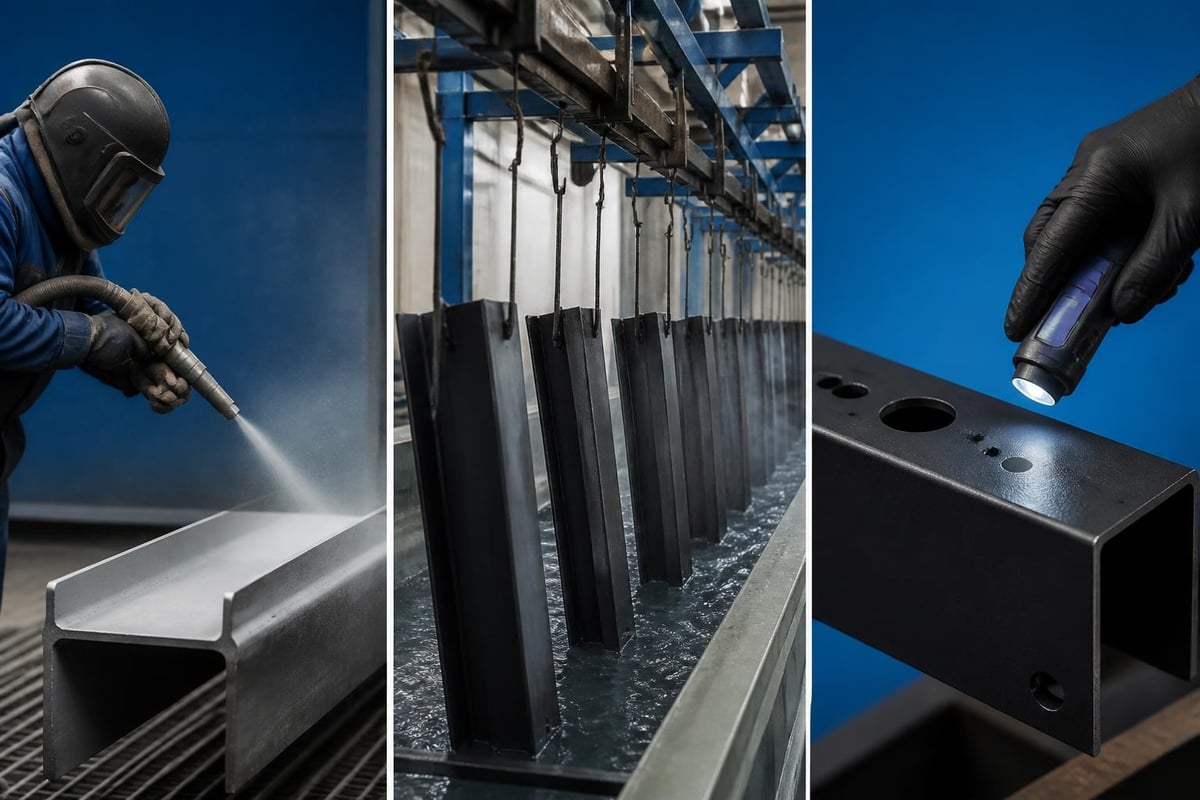
Surface preparation proves critical for steel substrates:
- Abrasive blasting removes mill scale, rust, and contaminants
- Chemical pretreatment creates conversion coatings that enhance adhesion
- Iron phosphate or zinc phosphate treatments provide corrosion resistance under the powder coat
- Surface profile must meet SSPC standards for proper mechanical bonding
Industrial sandblasting services ensure steel components achieve the cleanliness and profile depth necessary for optimal powder coating adhesion. The Association for Materials Protection and Performance provides detailed guidance on surface preparation standards that prevent premature coating failure.
Aluminum and Its Alloys
Aluminum stands as the second most commonly powder coated metal in commercial applications. Its lightweight properties, natural corrosion resistance, and excellent thermal conductivity make aluminum ideal for architectural components, equipment housings, and custom fabricated assemblies.
What metals can be powder coated in the aluminum family includes virtually all common alloys-6061, 6063, 5052, and 3003 aluminum all accept powder coating readily. The metal's lower density compared to steel makes it particularly valuable in applications where weight reduction matters.
Pretreatment Requirements for Aluminum
Aluminum requires more stringent pretreatment than steel due to its oxide layer. Chromate conversion coatings, non-chromate alternatives, and anodizing all prepare aluminum for powder coating, though environmental regulations increasingly favor chromium-free systems.
The FGIA has updated guidance on finishes for aluminum extrusions that addresses AAMA 2604 and 2605 performance specifications. These standards ensure architectural aluminum components maintain their appearance and protection over decades of service.
| Aluminum Alloy | Common Applications | Pretreatment Method | Coating Performance |
|---|---|---|---|
| 6061-T6 | Structural components | Chromate or non-chromate | Excellent adhesion |
| 6063-T5 | Extrusions, railings | Chromate conversion | Superior durability |
| 5052 | Sheet metal fabrication | Alkaline clean + rinse | Good performance |
| 3003 | General fabrication | Non-chromate conversion | Adequate for most uses |
Professional metal fabrication services understand these nuances and select appropriate pretreatment chemistries based on the component's service environment and performance requirements.
Galvanized Steel and Duplex Systems
Galvanized steel presents unique considerations when determining what metals can be powder coated. The zinc coating that protects the underlying steel creates surface challenges that require specialized preparation techniques.
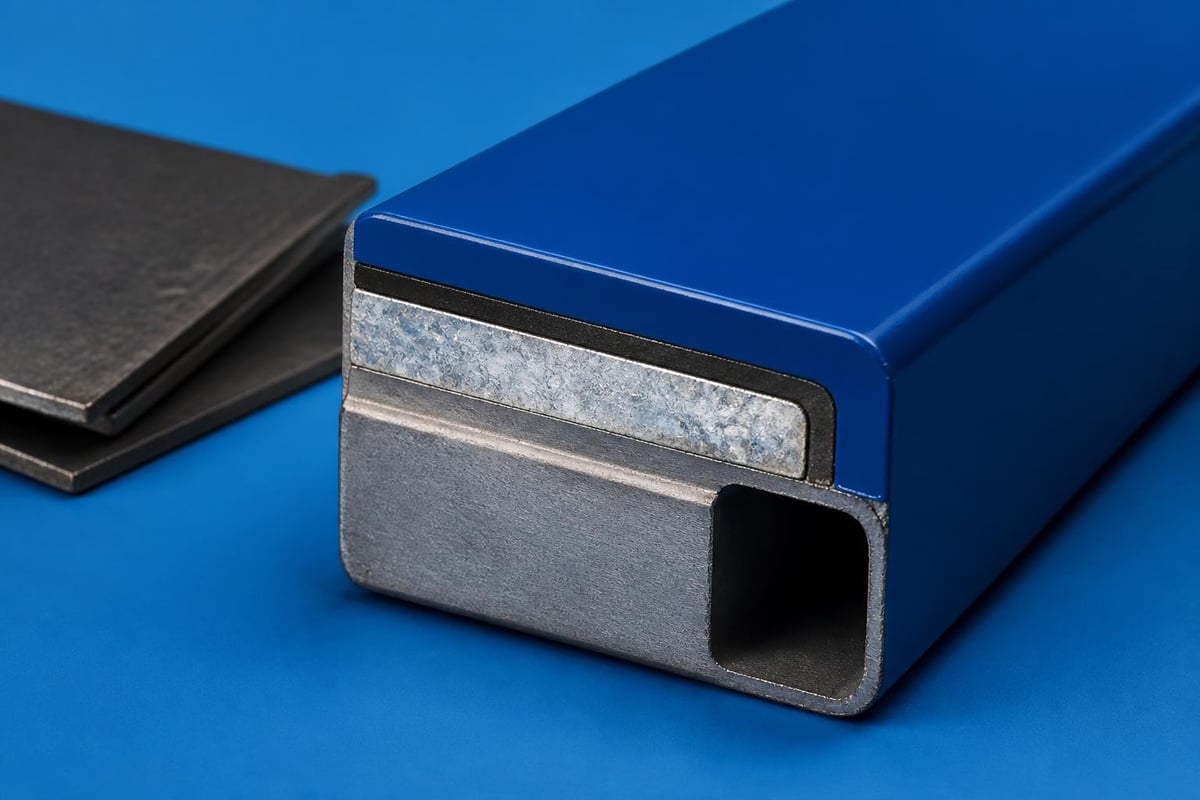
Duplex systems-powder coating applied over hot-dip galvanized steel-deliver exceptional corrosion protection by combining zinc's sacrificial protection with powder coating's barrier properties. This combination extends component life significantly in corrosive environments common to oil & gas operations and aggregate processing facilities.
Surface Preparation for Galvanized Substrates
Fresh galvanized steel contains oils, flux residues, and zinc oxide that prevent powder adhesion. Weathering, sweep blasting, or chemical etching prepares the zinc surface for coating.
The American Galvanizers Association provides technical guidance on duplex systems including ASTM standards for surface preparation. Their practical primer on powder coating galvanized steel addresses common pitfalls and specification requirements.
Key preparation steps include:
- Remove white rust or storage stain through light abrasive cleaning
- Apply chemical etch to create surface profile
- Rinse thoroughly to eliminate residual chemicals
- Verify surface pH before powder application
- Apply coating within specified timeframe to prevent zinc oxidation
KTA University’s technical guidance on coating galvanized steel emphasizes cure temperature control, as excessive heat can cause outgassing from the zinc layer that creates surface defects.
Stainless Steel Powder Coating
Stainless steel presents an interesting case when discussing what metals can be powder coated. While stainless alloys possess inherent corrosion resistance, powder coating adds color options, enhanced chemical resistance, and additional protection in particularly aggressive environments.
304 and 316 stainless steel both accept powder coating, though their passive chromium oxide layer requires aggressive pretreatment. Applications include food processing equipment, pharmaceutical manufacturing components, and marine environments where aesthetics matter alongside corrosion protection.
Surface preparation for stainless steel involves:
- Solvent cleaning to remove oils and lubricants
- Mechanical abrasion to disrupt the passive layer
- Chemical conversion coating formulated for stainless alloys
- Immediate coating to prevent re-passivation
Industrial powder coating services often combine stainless components with other metals in assemblies, requiring process flexibility to accommodate different substrate requirements.
Cast Iron and Ductile Iron
Cast metals rank among the materials compatible with powder coating, though porosity considerations require attention. Gray cast iron, ductile iron, and malleable iron all accept powder coatings when properly prepared.
The primary concern with cast iron involves surface porosity that can trap cleaning solutions, oils, or moisture. These contaminants cause coating defects during the cure cycle unless thoroughly removed.
Preparation Protocol for Cast Substrates
Successful powder coating of cast iron follows this sequence:
- Degrease thoroughly using alkaline cleaners
- Rinse with high-pressure water to flush pores
- Apply abrasive blasting to open surface and remove embedded contaminants
- Pre-bake at 350°F to drive out residual moisture
- Apply conversion coating while metal remains warm
- Powder coat immediately after cooling to handling temperature
This process ensures porosity doesn't compromise coating integrity. Custom fabrication services frequently encounter cast components in machinery rebuilds and equipment refurbishment projects where powder coating extends service life.
Metals Requiring Special Considerations
While the question of what metals can be powder coated encompasses most common alloys, certain materials demand specialized approaches or present significant challenges.
Magnesium alloys accept powder coating but require chromate pretreatment and careful temperature control during cure to prevent substrate damage. The aerospace and automotive industries use powder coated magnesium for weight-critical applications.
Brass and bronze can be powder coated, though their lower melting points limit cure temperature options. These decorative alloys typically receive powder coating for outdoor architectural applications where natural patina development isn't desired.
Zinc die castings present porosity challenges similar to cast iron but with additional concerns about outgassing during cure. Specialized low-temperature cure powders and extended bake schedules address these issues.
| Metal Type | Temperature Limit | Special Requirements | Common Issues |
|---|---|---|---|
| Magnesium | 350°F maximum | Chromate pretreat | Substrate oxidation |
| Brass/Bronze | 325°F maximum | Low-temp powders | Color shift |
| Zinc die cast | 340°F maximum | Seal pores first | Outgassing defects |
| Copper | 375°F maximum | Heavy pretreat | Poor adhesion |
Metals That Cannot Be Powder Coated
Understanding what metals can be powder coated also requires knowing which materials prove incompatible with the process. Metals with melting points below 400°F cannot withstand standard powder coating cure cycles.
Lead, tin, and low-melting alloys deform or melt during the curing process. Similarly, highly polished or mirror-finish surfaces lose their reflectivity during powder coating, as the process requires surface profile for mechanical adhesion.
Wood, plastic, and composite materials obviously cannot be powder coated using conventional processes, though specialized UV-cure and low-temperature powder systems have expanded options for heat-sensitive substrates in limited applications.
Environmental and Performance Benefits
The EPA’s powder coating technology update highlights environmental advantages that make powder coating preferable to liquid paint systems. Zero VOC emissions, near 100% transfer efficiency, and elimination of hazardous waste benefit both the environment and operational economics.
For industries served by industrial manufacturing companies in Colorado, powder coating's durability reduces maintenance cycles and extends equipment life. Components powder coated for aggregate operations, recycling facilities, and oilfield equipment routinely outperform liquid-coated equivalents by 3-5 times in corrosive service environments.
Performance advantages include:
- Impact resistance superior to liquid paints
- Chemical resistance to solvents, acids, and alkaline solutions
- UV stability maintaining color and gloss for years
- Uniform coverage including complex geometries and recessed areas
- Chip and scratch resistance protecting high-wear surfaces
Substrate Selection for Specific Industries
Different industrial sectors have preferences when selecting what metals can be powder coated for their applications. Oil and gas operations favor carbon steel and stainless steel for wellhead components, valve assemblies, and production equipment where chemical resistance matters.
Aggregate and recycling industries rely heavily on powder coated steel for conveyor components, screening equipment, and structural assemblies exposed to abrasion and impact. The coating's toughness prevents premature failure in these demanding applications.
Manufacturing facilities increasingly specify powder coated aluminum for guards, enclosures, and safety barriers where weight reduction facilitates installation while maintaining protection standards. Even specialized applications like signage solutions benefit from powder coating's weather resistance and color retention on aluminum substrates.
Application-Specific Metal Selection
Choosing the right metal for powder coating depends on multiple factors:
- Service environment (corrosive, abrasive, temperature extremes)
- Structural requirements (strength-to-weight ratio, load bearing)
- Budget constraints (material cost vs. performance benefits)
- Fabrication methods (precision machining, welding, forming)
- Maintenance access (ease of repair, coating renewal)
Heavy equipment repair specialists often recommend powder coated steel for bucket rebuilds, boom assemblies, and structural components where impact resistance outweighs weight considerations. Conversely, waterjet cutting services frequently produce aluminum components for powder coating when precision tolerances and weight matter.
Quality Control and Specification
Successful powder coating of any metal substrate requires adherence to industry standards. ASTM D3359 tests adhesion through cross-hatch testing, while ASTM D2794 measures impact resistance. These specifications ensure coating performance meets application requirements.
Thickness measurement using electromagnetic gauges verifies coating builds meet minimum specifications-typically 2-4 mils for industrial applications, though some environments demand 6-8 mil builds for extended service life.
Film hardness, flexibility, and chemical resistance testing validate coating selection for specific service conditions. Industrial fabrication shops should maintain documentation of coating specifications, cure schedules, and quality control testing to ensure repeatability and warranty compliance.
Multi-Metal Assembly Considerations
Real-world fabrications often combine different metals in single assemblies. Understanding what metals can be powder coated together prevents galvanic corrosion and ensures uniform appearance.
Dissimilar metal combinations like steel frames with aluminum panels require careful consideration of:
- Coating system compatibility across different substrates
- Cure temperature limitations of the lowest-melting component
- Pretreatment chemistry that works for all metals present
- Insulating techniques to prevent galvanic cells in service
Custom machining services frequently encounter multi-metal assemblies requiring powder coating. Solutions include masking threaded fasteners, using electrically insulating coatings at interfaces, and selecting powder formulations compatible with multiple substrate types.
The automotive and industrial equipment sectors routinely powder coat assemblies containing steel brackets, aluminum housings, and stainless fasteners. Success requires process control ensuring each metal receives appropriate preparation while maintaining production efficiency.
Selecting appropriate metals for powder coating and understanding their specific preparation requirements ensures coating performance meets your industrial application's demands. Whether you're fabricating equipment for aggregate operations, manufacturing components for oil and gas facilities, or rebuilding heavy machinery, proper substrate selection and preparation deliver the corrosion protection and durability your projects require. LTJ Industrial Services provides comprehensive metal fabrication, machining, and industrial coating services throughout the Western United States, helping commercial and industrial clients achieve superior results on every project.