
Industrial operations in mining, aggregate processing, recycling, and manufacturing face a constant challenge: equipment degradation from abrasive materials and repetitive impact. Wear plates provide a critical defense against this inevitable deterioration, extending equipment lifespan and reducing costly downtime. These specialized steel products are engineered to absorb punishment in high-wear applications, protecting the underlying structural components that would otherwise require frequent replacement. Understanding how to select, install, and maintain these protective barriers can dramatically improve operational efficiency across commercial and industrial facilities throughout the Western United States and beyond.
Understanding Wear Plate Fundamentals
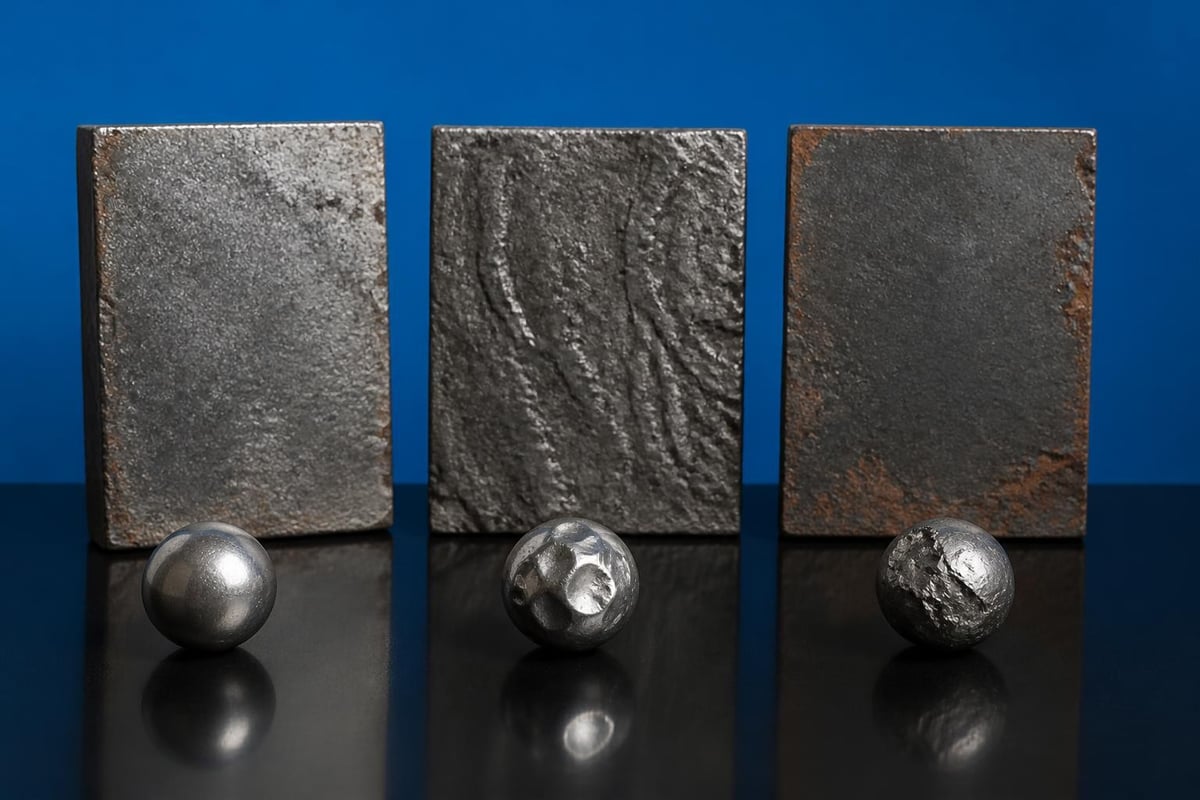
Wear plates are hardened steel plates specifically designed to withstand extreme abrasion, impact, and corrosion in demanding industrial environments. Unlike standard structural steel, these protective components undergo specialized heat treatment processes that create a microstructure optimized for wear resistance.
The manufacturing process typically involves through-hardening or surface-hardening techniques that achieve Brinell hardness ratings between 400 and 600 HBW. This exceptional hardness allows the material to resist gouging, scratching, and erosive forces that would quickly destroy conventional steel.
Material Composition and Performance Characteristics
Different wear plate formulations offer distinct advantages depending on application requirements:
- Chromium-molybdenum alloys deliver superior abrasion resistance with moderate impact tolerance
- Manganese steel compositions provide exceptional work-hardening characteristics under repeated impact
- Boron alloy wear plates offer the highest hardness levels for extreme abrasion environments
- Dual-hardness variants combine hard wearing surfaces with tough, shock-absorbing cores
The ASTM G65 standard test method provides an industry-recognized benchmark for comparing the abrasion resistance of different wear plate materials under controlled laboratory conditions. This dry sand rubber wheel test quantifies material loss and helps engineers select appropriate grades for specific applications.
Critical Applications Across Industrial Sectors
Wear plates protect equipment in virtually every heavy industrial sector where abrasive materials flow, impact, or slide against metal surfaces. Their strategic placement prevents catastrophic failure of expensive structural components.
Mining and Aggregate Processing
Crushing circuits, screening operations, and material transfer points generate extreme wear conditions. Operators install protective liners in:
- Crusher feed chutes and discharge areas
- Rock box liners and apron feeder pans
- Conveyor transfer point skirtboards
- Hopper and bin discharge gates
- Vibrating screen decks and support structures
Research on liner wear evolution in SAG mills demonstrates how computational modeling helps predict wear patterns and optimize liner design for extended service life. These insights directly translate to improved wear plate selection and positioning strategies.
Recycling and Waste Processing
Recycling operations subject equipment to unpredictable impact loads and mixed abrasive materials. Recycling equipment repair and welding frequently involves replacing worn protective surfaces on shredders, shears, and sorting equipment.
| Equipment Type | Primary Wear Zones | Typical Plate Hardness |
|---|---|---|
| Scrap Shears | Blade holders, feed chutes | 450-500 HBW |
| Metal Shredders | Rotor tips, housing liners | 400-450 HBW |
| Trommel Screens | Internal baffles, discharge | 400-450 HBW |
| Baling Equipment | Compression chambers, gates | 350-400 HBW |
Oil and Gas Industry Applications
Drilling operations, fracking equipment, and production facilities utilize wear-resistant components in mud tanks, shale shakers, and sand handling systems. Oil and gas welding services often include fabricating custom protective liners for specialized equipment operating in remote field locations.
Selection Criteria for Optimal Performance
Choosing the appropriate wear plate specification requires analyzing multiple operational factors simultaneously. A systematic evaluation approach prevents premature failure and optimizes cost-effectiveness.
Matching Hardness to Application Demands
Higher hardness doesn't automatically guarantee better performance. Applications involving high impact loads may benefit from slightly lower hardness grades that offer superior toughness and resistance to cracking.
For pure abrasion environments: Select maximum hardness grades (500-600 HBW) when material slides continuously across surfaces with minimal impact forces. Examples include chute liners and bin discharge areas handling fine, free-flowing materials.
For combined abrasion and impact: Choose intermediate hardness ranges (400-500 HBW) where materials drop from height or contain oversized particles. The ASTM International Committee G02 fact sheet provides comprehensive guidance on standardized testing methods that help quantify these complex wear mechanisms.
For extreme impact with moderate abrasion: Consider work-hardening grades (typically manganese steel at 200-250 HBW initial hardness) that increase surface hardness through repeated impact while maintaining a tough core.
Thickness Optimization and Service Life Calculations
Wear plate thickness directly influences service life, but excessive thickness adds unnecessary weight and material cost. Calculate expected wear rates based on historical data or similar applications:
- Measure existing plate wear depth over known operating hours
- Calculate volumetric wear rate per operating hour
- Determine acceptable remaining thickness before replacement
- Add safety factor for unpredictable wear acceleration
- Select thickness that achieves target maintenance interval
Most industrial applications use thicknesses between 1/4 inch and 1 inch, though specialized applications may require up to 2 inches.
Installation Best Practices for Maximum Service Life
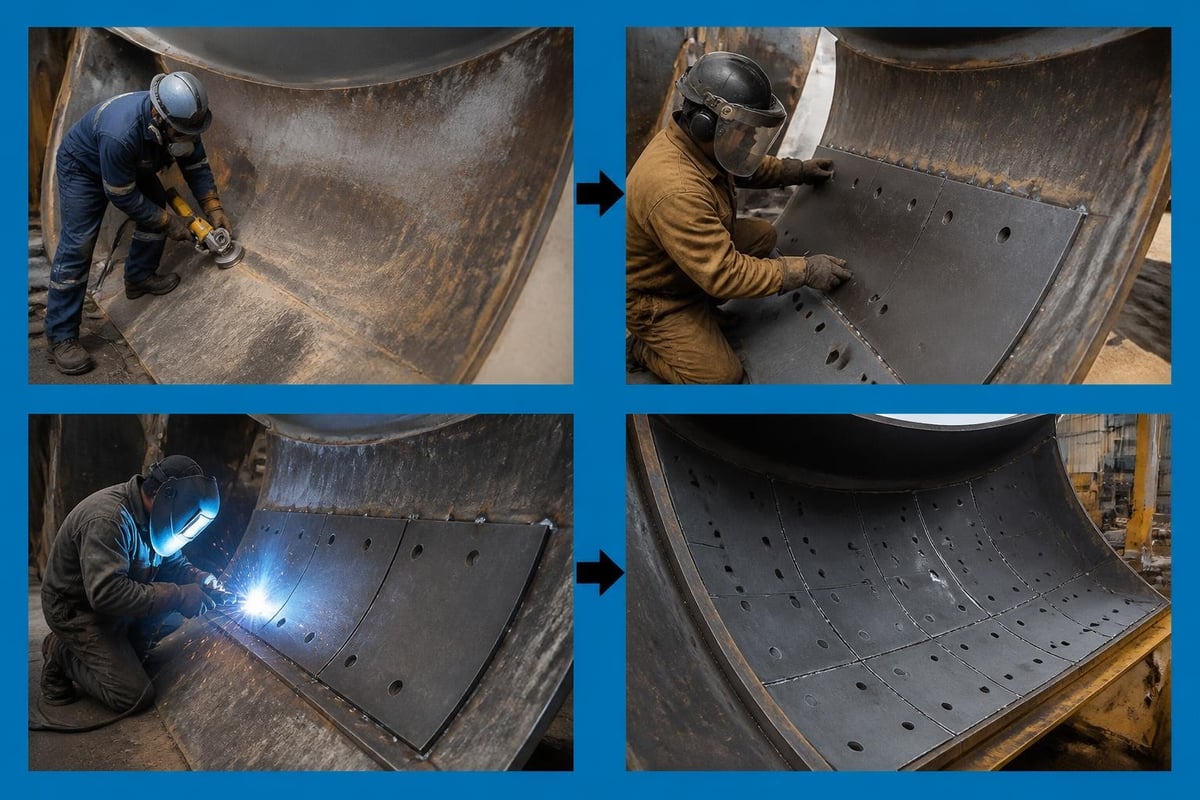
Even premium wear plates fail prematurely when improperly installed. Certified welding services ensure proper attachment methods that accommodate thermal expansion, impact forces, and structural movement.
Surface Preparation and Fit-Up Requirements
The substrate surface must be clean, dry, and free from mill scale, rust, or contamination. Grinding or abrasive blasting creates an optimal bonding surface for welded attachments.
Achieving tight fit-up between wear plates and substrate prevents material infiltration behind protective liners. Research on wear plate behavior in rail applications demonstrates how gaps between liner plates and backing structures accelerate wear through localized stress concentration and debris entrapment.
Welding Technique Considerations
Attaching hardened wear plates requires specialized welding procedures that prevent cracking and maintain base material properties:
- Preheat temperatures between 200-400°F reduce thermal shock and minimize hydrogen-induced cracking
- Low-hydrogen electrodes (E7018 or equivalent) prevent porosity in weld deposits
- Stringer bead techniques limit heat input compared to weave patterns
- Controlled cooling rates prevent martensitic transformation in heat-affected zones
- Backing bar removal eliminates stress risers at weld terminations
Structural steel fabrication processes that incorporate wear plate installation must account for distortion control through proper fixturing and sequential welding patterns.
Some applications benefit from mechanical fastening systems using countersunk bolts or custom retention devices. This approach simplifies replacement but requires precise tight tolerance machining for fastener holes and mounting surfaces.
Maintenance Strategies and Replacement Planning
Proactive monitoring prevents unexpected failures that cascade into production losses and emergency repairs. Developing inspection protocols specific to each wear plate installation optimizes replacement timing.
Visual Inspection Protocols
Regular walk-through inspections identify wear patterns before protective plates reach failure thickness:
- Weekly visual checks document obvious damage, cracking, or displacement
- Monthly measurements at predetermined reference points track wear progression
- Quarterly ultrasonic testing verifies remaining thickness in inaccessible areas
- Annual comprehensive reviews correlate wear data with operational changes
Photographic documentation creates baseline references for evaluating wear acceleration and validating service life predictions.
Predictive Replacement Scheduling
| Replacement Strategy | Advantages | Disadvantages |
|---|---|---|
| Run-to-Failure | Maximizes plate utilization | Risks structural damage, unpredictable downtime |
| Time-Based Interval | Predictable maintenance windows | May replace plates with remaining life |
| Condition-Based | Optimizes replacement timing | Requires consistent monitoring |
| Hybrid Approach | Balances utilization and risk | Needs experienced maintenance personnel |
Modern facilities increasingly adopt condition-based strategies supported by digital maintenance management systems that trend wear data and trigger work orders at predetermined thresholds.
Cost-Benefit Analysis and Economic Considerations
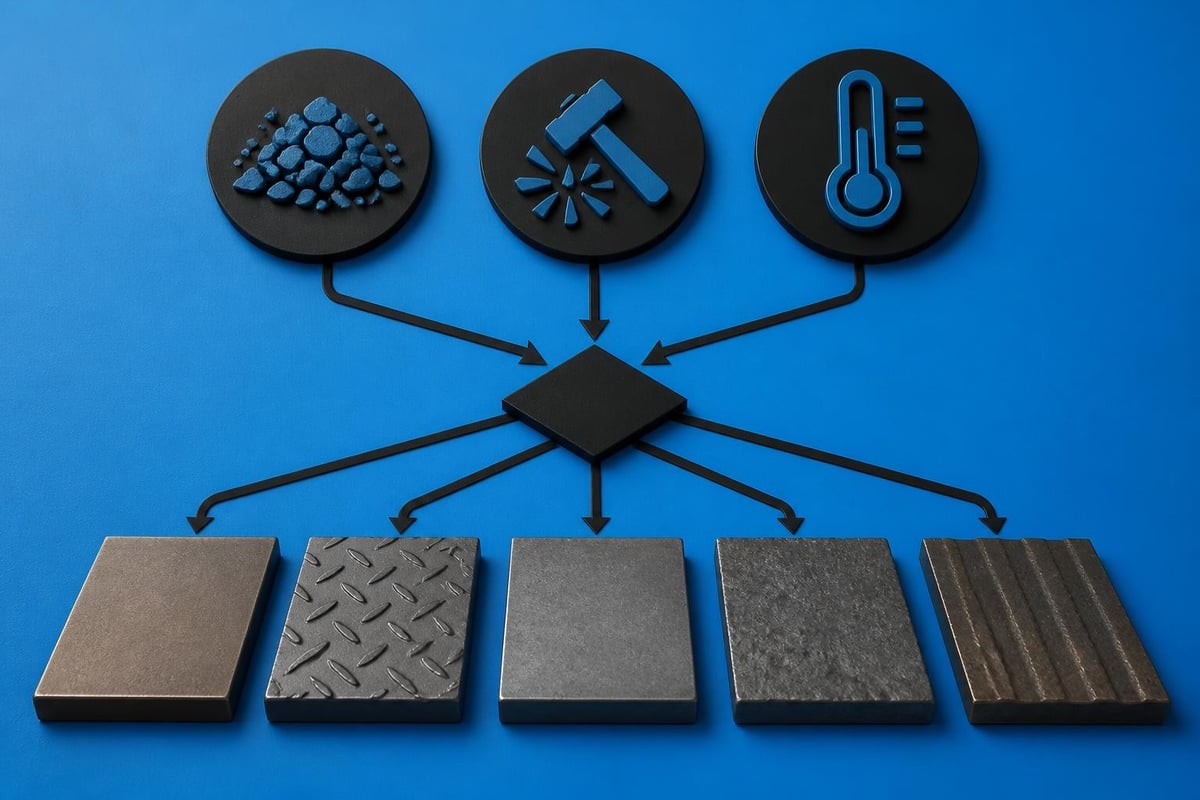
While wear plates represent significant upfront investment, comprehensive cost analysis consistently demonstrates positive returns through extended equipment life and reduced downtime.
Direct Cost Components
Material costs vary substantially based on alloy composition, thickness, and hardness specifications. Premium grades commanding higher prices often deliver superior cost-per-operating-hour performance.
Custom metal fabrication costs include not only material but also cutting, forming, welding, and installation labor. Complex geometries requiring extensive fitment increase total project costs compared to simple flat plate applications.
Installation timing affects overall economics. Scheduling wear plate installation during planned maintenance shutdowns eliminates incremental downtime costs. Emergency replacements during unplanned outages typically incur premium labor rates and expedited material delivery charges.
Calculating Total Cost of Ownership
A holistic economic evaluation considers multiple factors beyond initial purchase price:
- Extended primary equipment life through protection of structural components
- Reduced maintenance frequency and associated labor costs
- Decreased inventory requirements for replacement structural parts
- Improved operational efficiency from consistent material flow
- Lower risk of catastrophic failure and associated production losses
When evaluating proposals from industrial fabrication shops, request detailed specifications including material certifications, installation procedures, and projected service life estimates. This information enables meaningful comparison between competing solutions.
Advanced Applications and Emerging Technologies
Innovation in wear plate technology continues addressing increasingly demanding industrial requirements. Recent developments expand application possibilities while improving performance characteristics.
Composite and Laminated Systems
Multi-layer wear systems combine different materials to optimize specific performance attributes. A hard ceramic facing bonded to tough steel backing provides exceptional abrasion resistance with impact tolerance impossible in monolithic materials.
Chromium carbide overlay plates feature metallurgically bonded hard-facing deposits applied to structural steel substrates. These products deliver extreme abrasion resistance (equivalent to 600+ HBW) while maintaining weldability and formability of the base material.
Engineered Surface Treatments
Post-manufacturing treatments enhance wear plate performance for specialized applications:
- Plasma nitriding increases surface hardness and corrosion resistance
- Thermal spray coatings apply tungsten carbide or ceramic materials
- Laser cladding creates metallurgically bonded wear-resistant deposits
- Shot peening induces compressive surface stresses that resist fatigue cracking
These advanced processes often require specialized equipment and expertise available through precision CNC machining and fabrication facilities equipped for complex surface modification.
Industry-Specific Design Considerations
Different industrial sectors impose unique requirements that influence wear plate selection and configuration. Understanding these sector-specific factors optimizes performance and service life.
Aggregate and Concrete Production
Cement plants, ready-mix operations, and aggregate producers handle highly abrasive materials containing silica compounds that accelerate equipment wear. Wear plates in these applications typically specify maximum hardness grades to resist continuous abrasive grinding.
Temperature considerations become critical in cement manufacturing where hot clinker contacts protective liners. Heat-resistant alloy grades maintain hardness at elevated temperatures while preventing thermal fatigue cracking.
Material Handling and Conveying Systems
Conveyor transfer points generate concentrated wear at specific impact zones. Strategic placement of wear plates at these high-stress locations protects expensive structural steel components while allowing systematic replacement of sacrificial protection.
Waterjet cutting services enable precise shaping of wear plates to match complex conveyor geometries, ensuring optimal coverage and minimal gaps where material infiltration could occur.
Heavy Manufacturing and Fabrication
Steel mills, foundries, and heavy manufacturing facilities subject equipment to extreme combinations of abrasion, impact, and thermal cycling. Custom-engineered wear solutions often incorporate multiple material grades strategically positioned based on localized wear mechanisms.
Field measurements and wear pattern analysis inform iterative design improvements that progressively extend component life. Facilities partnering with experienced welding and fabrication specialists benefit from this continuous improvement approach.
Quality Assurance and Material Verification
Verifying wear plate quality protects against premature failure and ensures specifications match application requirements. Comprehensive testing protocols validate material properties before installation.
Material Testing and Certification
Reputable suppliers provide mill test reports (MTRs) documenting chemical composition, hardness values, and mechanical properties for each production lot. These certifications trace material pedigree and confirm compliance with ordered specifications.
Independent verification testing adds additional assurance for critical applications:
- Hardness testing at multiple locations verifies uniform properties
- Chemical analysis confirms alloy composition matches specifications
- Impact testing evaluates toughness at expected service temperatures
- Macroetch examination reveals microstructure and heat treatment effectiveness
- Dimensional inspection validates thickness tolerances and flatness
Questions to ask a machine shop should include inquiries about quality control procedures, material sourcing practices, and testing capabilities for wear-resistant components.
Installation Quality Control
Post-installation inspection confirms proper attachment and identifies potential issues before equipment returns to service:
- Visual weld inspection for cracks, porosity, and complete fusion
- Dimensional verification ensuring correct plate positioning
- Dye penetrant testing on critical welds revealing surface discontinuities
- Ultrasonic examination of thick-section welds confirming internal soundness
Documented inspection results create baseline records supporting warranty claims and future troubleshooting efforts.
Integration with Comprehensive Maintenance Programs
Wear plates function as one component within broader equipment reliability strategies. Integrating protective liner management with overall maintenance planning maximizes operational effectiveness.
Coordinated Replacement Scheduling
Aligning wear plate replacement with other planned maintenance activities optimizes downtime utilization. When hydraulic equipment repair coincides with liner replacement needs, coordinated scheduling reduces total downtime compared to addressing issues separately.
Spare part inventory management ensures replacement wear plates arrive before scheduled maintenance windows. Lead times for custom-fabricated components may extend 4-8 weeks, requiring advance planning and accurate wear rate prediction.
Performance Tracking and Continuous Improvement
Systematic data collection transforms maintenance activities from reactive firefighting to proactive optimization. Recording wear measurements, operating hours, material throughput, and failure modes builds institutional knowledge that informs future design decisions.
Modern maintenance management systems correlate wear plate performance with operational variables including material characteristics, throughput rates, and equipment settings. This analytical approach identifies optimization opportunities that extend service life or reduce costs.
Protecting critical industrial equipment from abrasive wear requires careful selection of appropriate wear plate materials, proper installation techniques, and proactive maintenance planning. The economic benefits of extended equipment life and reduced downtime consistently justify the investment in quality protective solutions. LTJ Industrial Services delivers comprehensive fabrication, welding, and machining capabilities to design, install, and maintain wear-resistant systems throughout the Western United States, helping commercial and industrial operations maximize equipment reliability and operational efficiency.