
Industrial facilities across the Western United States depend on effective surface preparation to maintain equipment, extend asset life, and ensure proper coating adhesion. Sandblasting services have become an essential component of maintenance programs in sectors ranging from aggregate processing to oil and gas operations. This abrasive blasting technique removes rust, old paint, mill scale, and contaminants from metal surfaces, creating the ideal foundation for welding, painting, powder coating, or other finishing processes. Understanding the capabilities, applications, and selection criteria for sandblasting providers helps facility managers make informed decisions that impact operational efficiency and long-term equipment performance.
Understanding Sandblasting Services and Abrasive Blasting Methods
Sandblasting services encompass a range of abrasive blasting techniques that propel media at high velocity against surfaces to clean, profile, or finish materials. While “sandblasting” remains the common industry term, modern operations frequently employ alternative abrasives due to health and regulatory considerations.
Types of Abrasive Media Used in Industrial Applications
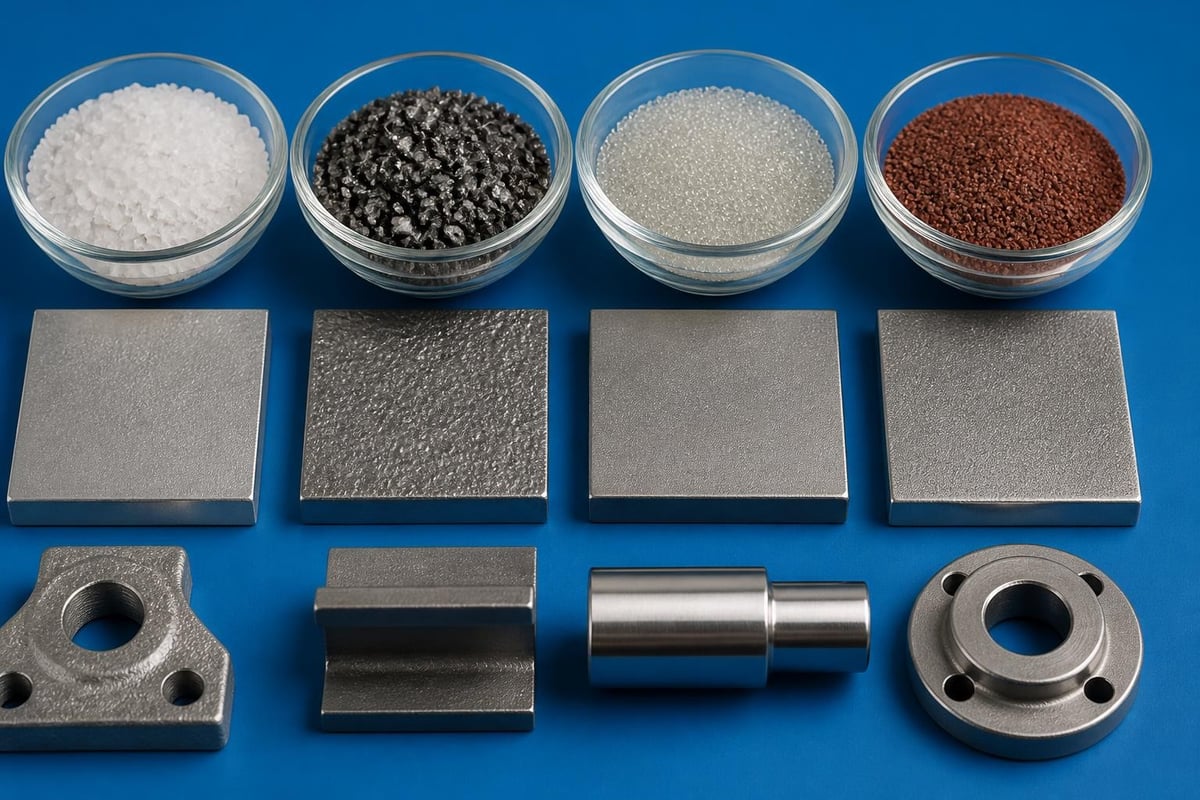
The selection of abrasive media directly influences cleaning efficiency, surface profile, and project costs. Different materials serve specific purposes across industrial maintenance and fabrication workflows.
Common abrasive media options include:
- Silica sand: Traditional media still used in controlled environments, though increasingly regulated due to crystalline silica exposure risks
- Aluminum oxide: Aggressive cutting action ideal for removing heavy coatings and rust
- Steel grit and shot: Recyclable ferrous media suitable for cleaning steel and creating anchor patterns
- Glass bead: Produces smoother finishes without dimensional change to base material
- Garnet: Natural mineral offering excellent cutting speed with lower dust generation
- Crushed walnut shells: Softer media for delicate surfaces requiring gentile cleaning
Each abrasive type creates different surface profiles measured in mils, which affects coating adhesion and performance. The choice depends on substrate material, existing coatings, target cleanliness standards, and subsequent finishing requirements. Proper surface prep before powder coating ensures optimal adhesion and longevity of protective finishes.
Equipment Configurations for Shop and Field Applications
Sandblasting services operate through various equipment configurations designed for specific environments. Shop-based systems provide controlled conditions with integrated dust collection, while portable units enable on-site work for large equipment and structures.
Blast cabinet systems house the entire operation within an enclosed workspace, ideal for smaller components and precision work. Operators manipulate parts while viewing through protective windows, and dust collection systems capture spent media and contaminants.
Blast room facilities accommodate larger assemblies and multiple operators working simultaneously. These walk-in enclosures feature reclaim flooring that recovers abrasive media for reuse, significantly reducing material costs on high-volume projects.
Portable blasting equipment brings sandblasting capabilities directly to field locations. Compressor-powered systems ranging from handheld units to truck-mounted configurations enable surface preparation on tanks, structural steel, bridges, and equipment that cannot be transported to shop facilities.
Applications Across Industrial and Manufacturing Sectors
Sandblasting services support critical maintenance and fabrication activities across diverse industries. The versatility of abrasive blasting makes it indispensable for facilities requiring reliable surface preparation solutions.
Equipment Restoration and Maintenance Programs
Manufacturing operations in aggregate, recycling, and material handling sectors subject equipment to extreme wear conditions. Conveyor systems, screening equipment, crushers, and processing machinery accumulate scale, product buildup, and corrosion that compromise performance and longevity.
Sandblasting removes these contaminants completely, exposing base metal for inspection and subsequent protection. This process reveals cracks, wear patterns, and structural issues that might remain hidden under coatings or oxidation. Once cleaned, components can receive protective treatments such as hardfacing to resist abrasion or wear plates in high-impact zones.
| Industry Sector | Common Blasting Applications | Typical Frequency |
|---|---|---|
| Aggregate & Mining | Conveyor frames, chutes, screens, hoppers | Annual or bi-annual |
| Recycling Operations | Baler components, shredder housings, sorting equipment | Semi-annual maintenance cycles |
| Oil & Gas | Tanks, pressure vessels, pipeline supports, wellhead equipment | Per inspection schedule (API 653, API 570) |
| Manufacturing | Structural steel, machinery frames, fabricated assemblies | Before coating or as-needed repair |
Surface Preparation for Welding and Fabrication Work
Quality welding requires clean base metal free from mill scale, rust, paint, and other contaminants that cause porosity, lack of fusion, and weakened joints. Sandblasting services provide the thorough cleaning necessary to meet welding procedure specifications and industry codes.
For critical applications requiring ASME certified welding or API compliance, proper surface preparation becomes a documented quality control step. Removing all foreign material within the heat-affected zone prevents defects that could lead to joint failure under service conditions.
Structural steel fabrication projects benefit from sandblasting before assembly welding, particularly when components will be exposed to corrosive environments or cyclical loading. The improved weld quality and subsequent coating adhesion extend service life significantly compared to inadequately prepared surfaces.
Pre-Coating Surface Profiling Requirements
Protective coatings require specific surface profiles to achieve proper mechanical bonding. Sandblasting creates the anchor pattern that coatings penetrate, establishing the physical interlock necessary for long-term adhesion.
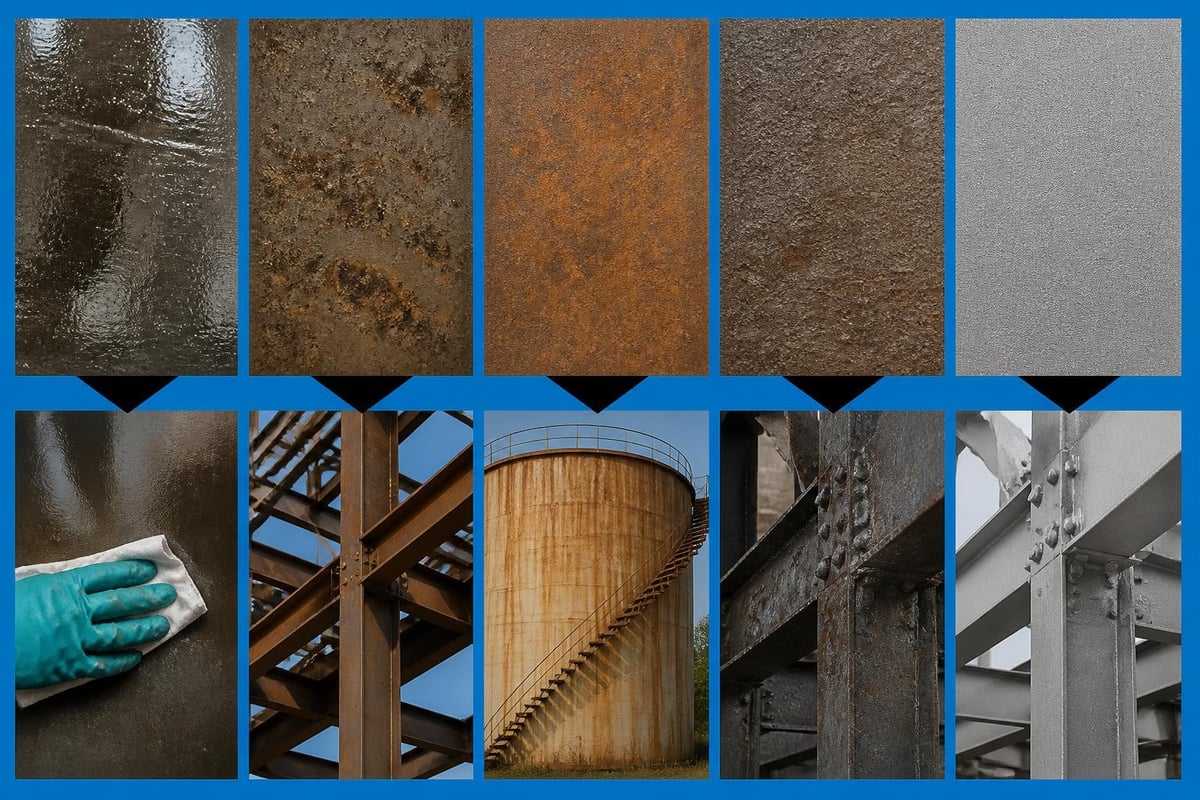
Industry standards such as SSPC-SP specifications and NACE requirements define cleanliness levels and profile depths for various coating systems. Achieving these standards requires proper media selection, blast pressure adjustment, and operator technique.
When comparing powder coating vs paint durability, surface preparation quality remains the common denominator affecting both systems. A properly blasted surface with the correct profile range (typically 1.5 to 3.0 mils for industrial coatings) provides the foundation for maximum coating performance regardless of the application method selected.
Safety Considerations and Regulatory Compliance
Sandblasting operations present significant health and safety hazards that require comprehensive controls and regulatory compliance. Responsible service providers implement engineering controls, personal protective equipment, and work practices that protect workers and the environment.
Crystalline Silica Exposure and Modern Alternatives
The use of silica sand in blasting operations generates respirable crystalline silica dust, a known carcinogen that causes silicosis and other serious lung diseases. Recent regulatory changes have substantially reduced permissible exposure limits, prompting many operations to transition to alternative abrasives.
The Federal Register’s MSHA final rule on lowering permissible exposure limits for respirable crystalline silica reflects ongoing regulatory emphasis on worker protection. These stricter standards affect blasting operations in mining and industrial settings throughout the Western United States.
Alternative abrasive media eliminate or reduce silica exposure:
- Coal slag and recycled glass contain minimal crystalline silica content
- Steel media produces metallic dust rather than silica particles
- Garnet and aluminum oxide offer effective cleaning without silica hazards
- Organic media such as corn cob and walnut shells present no silica risk
Even when using non-silica media, proper respiratory protection remains mandatory because blasting any material generates potentially harmful dust. Supplied-air respirators or properly fitted PAPRs (powered air-purifying respirators) protect operators during extended blasting operations.
Environmental Containment and Waste Management
Sandblasting generates spent abrasive, removed coatings, and substrate particles that require proper containment and disposal. Environmental regulations govern how these materials are collected, characterized, and disposed of, particularly when blasting removes lead-based paint or other hazardous coatings.
The EPA’s guidance on containment and handling of spent abrasives from blasting operations provides best management practices for environmental compliance. These guidelines address stormwater protection, waste characterization, and proper disposal methods.
Professional sandblasting services implement containment measures appropriate to the work environment:
- Shop operations utilize integrated dust collection systems with HEPA filtration capturing particles before atmospheric release
- Field blasting employs tarping, vacuum shrouding, or containment structures preventing spent media migration
- Waste characterization testing determines proper disposal classification based on removed coatings and substrate materials
- Recycling programs recover and reuse compatible abrasive media, reducing both material costs and disposal volumes
Selecting Professional Sandblasting Service Providers
Choosing the right sandblasting partner impacts project timelines, quality outcomes, and overall costs. Evaluating potential providers against specific criteria ensures alignment with operational requirements and quality standards.
Capabilities Assessment for Industrial Requirements
Industrial applications demand specific capabilities beyond basic blasting services. Facility managers should verify that potential providers can accommodate project scope, materials, and scheduling constraints.
Essential capability considerations:
- Equipment capacity: Can the provider handle component sizes and weights typical of your operations?
- Media options: Does the vendor offer appropriate abrasive types for your substrate materials and cleanliness requirements?
- Mobility: For large assemblies and in-situ work, does the provider offer field services with adequate equipment?
- Volume throughput: Can the shop accommodate your timeline requirements without sacrificing quality?
- Complementary services: Does the provider offer integrated services such as precision machining, welding, or coating application?
Providers offering comprehensive manufacturing support streamline project execution by eliminating coordination between multiple vendors. A single source for blasting, repair welding, machining, and coating application reduces handling, transportation, and scheduling complexity.
Quality Systems and Industry Certifications
Sandblasting quality directly affects downstream processes including welding, machining, and coating application. Providers with documented quality systems and relevant certifications demonstrate commitment to consistent results.
| Quality Indicator | Significance | Verification Method |
|---|---|---|
| Documented procedures | Ensures consistent processes across operators and projects | Request quality manual or SOP documentation |
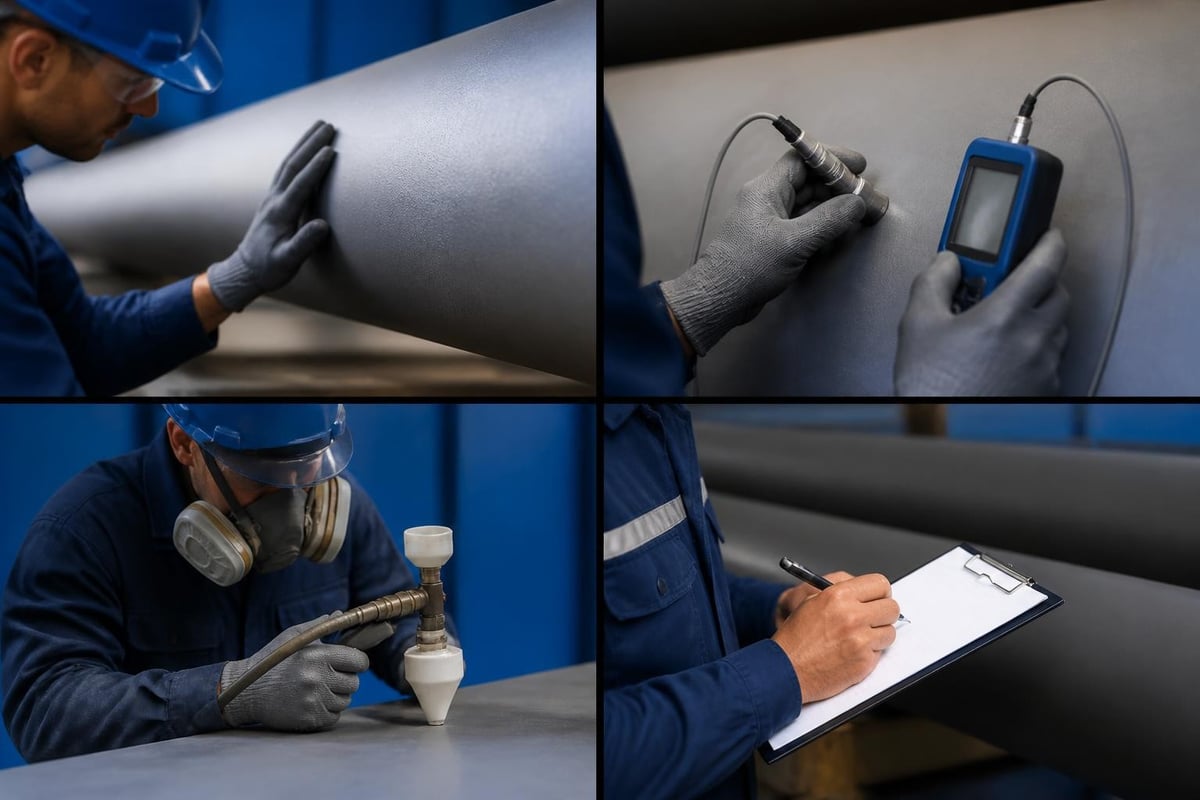
| Surface profile measurement | Confirms anchor pattern meets coating specifications | Review calibration records for profile gauges |
| Cleanliness verification | Validates achievement of SSPC/NACE standards | Observe inspection processes and documentation |
| Operator training | Maintains skill levels and safety compliance | Inquire about training programs and certifications |
| Environmental permits | Demonstrates regulatory compliance | Verify current permit status with regulatory agencies |
For facilities in highly regulated industries such as oil and gas, working with providers who understand oil and gas welding services standards ensures compatibility with industry-specific requirements including API, ASME, and other applicable codes.
Cost Structures and Value Considerations
Sandblasting costs vary based on multiple factors including media type, surface area, cleanliness standards, and project complexity. Understanding pricing structures helps budget accurately and evaluate competitive proposals.
Primary cost drivers include:
- Media consumption: Varies by abrasive type, surface condition, and target cleanliness level
- Labor hours: Determined by surface area, complexity, and accessibility
- Equipment mobilization: Field work incurs transportation and setup costs
- Waste disposal: Hazardous coating removal increases disposal expenses significantly
- Surface area: Pricing often quoted per square foot for large, uniform surfaces
While lowest-cost providers may appear attractive initially, inadequate surface preparation causes costly failures downstream. Poor blasting quality leads to premature coating failure, weld defects, and accelerated corrosion-expenses that far exceed savings from cheap initial work.
Value-oriented selection prioritizes providers who deliver specified cleanliness standards consistently, use appropriate media for the application, and integrate smoothly with subsequent fabrication or coating processes. When evaluating custom fabrication projects, consider blasting costs as part of the total manufacturing value chain rather than an isolated line item.
Integration with Fabrication and Maintenance Workflows
Sandblasting services function most effectively when integrated strategically into broader manufacturing and maintenance operations. Coordinating surface preparation with welding, machining, and coating activities maximizes efficiency and quality outcomes.
Timing Optimization in Multi-Step Manufacturing
Component manufacturing often involves sequential processes where sandblasting timing significantly impacts overall efficiency. Strategic scheduling prevents redundant handling and protects prepared surfaces from contamination before subsequent operations.
For field welding vs shop welding decisions, surface preparation requirements influence location selection. Complex assemblies may benefit from shop blasting before field installation, while large structures require on-site preparation immediately before welding to prevent flash rusting.
Optimal workflow sequencing typically follows:
- Initial machining and fabrication to near-final dimensions
- Sandblasting to remove scale and create welding surface
- Fit-up and welding operations on clean base metal
- Post-weld heat treatment if required by specifications
- Final sandblasting to remove welding residue and scale
- Immediate coating application while surface remains clean and properly profiled
This sequence minimizes recontamination while ensuring each process step receives properly prepared surfaces. Coordination between welding, blasting, and coating teams prevents delays that allow flash rusting or environmental contamination.
Supporting Specialized Fabrication Requirements
Certain fabrication applications demand specific sandblasting approaches that support final component performance. Understanding these requirements ensures surface preparation enhances rather than compromises the finished product.
Precision machining applications may require selective blasting that cleans surfaces without affecting dimensional tolerances. Masking protects finished features while adjacent areas receive surface preparation. Providers offering both precision CNC machining and sandblasting services coordinate these activities to maintain specifications throughout manufacturing.
Weld repair and overlay work benefits from thorough surface preparation that removes contamination extending beyond visibly affected areas. Subsurface oxidation and scale can extend several inches from visible rust, requiring generous blasting coverage to ensure sound weld deposits.
Prototype development projects often involve iterative blasting and finishing cycles as designs evolve. Providers supporting prototype machining and fabrication accommodate these requirements with flexible scheduling and rapid turnaround capabilities.
Industry-Specific Applications and Case Studies
Different industrial sectors utilize sandblasting services to address unique operational challenges. Understanding these applications illustrates the versatility and value of professional surface preparation.
Aggregate and Material Processing Operations
Aggregate production facilities operate in highly abrasive environments where equipment surfaces accumulate compacted material and heavy corrosion. Conveyors, screens, crushers, and transfer chutes require periodic blasting to restore functionality and enable protective coating application.
Buildup on screens and vibrating equipment affects separation efficiency and product quality. Sandblasting removes cemented fines and scale, returning equipment to design specifications. Following cleaning, facilities often apply specialized coatings or install abrasion-resistant liners to extend service intervals.
Structural steel supporting conveyor systems and processing equipment requires maintenance blasting before recoating. The aggressive outdoor environment common to aggregate operations accelerates coating degradation, necessitating regular maintenance cycles that begin with complete surface preparation.
Recycling Equipment Maintenance and Repair
Recycling operations subject equipment to extreme abuse from mixed materials, moisture, and heavy mechanical loads. Balers, shredders, conveyors, and sorting systems develop rapid wear requiring regular maintenance and component replacement.
Recycling equipment repair welding depends on thorough surface preparation to ensure quality repairs. Sandblasting removes contaminants that would compromise weld integrity, particularly important for structural repairs subjected to cyclical loading and vibration.
Component refurbishment programs utilize sandblasting to evaluate wear patterns and prepare surfaces for hard-surfacing or wear-resistant treatments. Complete cleaning reveals base metal condition, allowing accurate assessment of remaining service life and appropriate repair strategies.
Oil and Gas Industry Applications
The oil and gas sector maintains extensive infrastructure requiring regular inspection, maintenance, and recertification. Tanks, pressure vessels, piping systems, and support structures undergo periodic blasting as part of regulatory compliance and asset integrity programs.
API 653 tank inspections require complete internal coating removal to assess shell condition and remaining thickness. External surfaces receive similar preparation before recoating to protect against atmospheric corrosion. The scale of these projects demands efficient sandblasting services with substantial throughput capacity.
Wellhead equipment, production facilities, and gathering systems in the field require mobile sandblasting capabilities. Providers equipped for remote operations support maintenance activities across the distributed infrastructure common to Western U.S. oil and gas operations.
Technical Specifications and Quality Standards
Achieving consistent sandblasting results requires adherence to established technical standards that define surface preparation quality. These specifications provide objective criteria for evaluating work and ensuring compatibility with subsequent processes.
SSPC and NACE Surface Preparation Standards
The Society for Protective Coatings (SSPC) and NACE International (now part of AMPP) publish widely adopted standards governing surface preparation for coating applications. These specifications define cleanliness levels, surface profiles, and inspection methods.
Key SSPC specifications include:
- SSPC-SP 1: Solvent cleaning (removes oil, grease, soil, drawing compounds)
- SSPC-SP 6: Commercial blast cleaning (removes mill scale, rust, and coating except tight residue)
- SSPC-SP 7: Brush-off blast cleaning (removes loose mill scale, rust, and coating)
- SSPC-SP 10: Near-white blast cleaning (95% removal of visible residues)
- SSPC-SP 5: White metal blast cleaning (complete removal of all visible contamination)
Most industrial coating applications specify SP 10 or SP 6 cleanliness levels, balancing thorough preparation with economic efficiency. Highly corrosive environments or premium coating systems may require SP 5 white metal standards.
Surface profile requirements typically range from 1.0 to 4.0 mils depending on coating thickness and type. Profile gauges (replica tape or stylus instruments) verify actual achieved anchor patterns meet specification requirements before coating application proceeds.
Documentation and Inspection Requirements
Professional sandblasting services maintain documentation verifying that work meets project specifications. This documentation becomes particularly important for projects requiring third-party inspection or regulatory compliance.
Standard documentation includes:
- Surface preparation specifications and reference standards
- Abrasive media type, grade, and lot information
- Equipment settings including pressure and nozzle configuration
- Environmental conditions during blasting (temperature, humidity, dew point)
- Cleanliness verification results (visual inspection against comparators)
- Surface profile measurements with locations and values
- Photographic documentation of prepared surfaces before coating
Quality-focused providers implement inspection hold points where surfaces are evaluated before proceeding to subsequent operations. This prevents coating or welding on inadequately prepared surfaces that would result in premature failure.
For facilities requiring detailed traceability, selecting providers familiar with manufacturing documentation standards ensures seamless integration with existing quality systems. Companies handling questions about machine shop capabilities should extend similar scrutiny to sandblasting providers, verifying they maintain appropriate quality records.
Effective surface preparation through professional sandblasting forms the foundation for successful welding, machining, and coating operations across industrial manufacturing. By understanding the technical requirements, regulatory considerations, and selection criteria outlined above, facility managers can choose providers who deliver consistent quality that supports long-term equipment performance and reliability. When your operations require comprehensive manufacturing support integrating sandblasting with welding, fabrication, and machining capabilities, LTJ Industrial Services provides the expertise and resources to keep your Western U.S. operations running efficiently across aggregate, recycling, oil and gas, and industrial manufacturing sectors.