
Denver's manufacturing sector continues to expand rapidly, creating unprecedented demand for specialized prototype machining and fabrication services. From aerospace components to oil and gas equipment, Colorado businesses require partners who can transform design concepts into functional metal prototypes with precision and speed. Whether you're developing a new product line, testing engineering designs, or validating production processes, the right prototyping partner makes the difference between market success and costly delays. Understanding what prototype machining and fabrication services Denver providers offer helps manufacturers, engineers, and product developers make informed decisions that accelerate innovation while controlling costs.
Understanding Prototype Machining and Fabrication Capabilities
Prototype machining and fabrication services Denver companies provide encompass a broad spectrum of metalworking processes designed to create functional parts from engineering drawings or CAD models. These services bridge the critical gap between design and production, allowing teams to validate form, fit, and function before committing to expensive production tooling.
Core Machining Processes for Prototyping
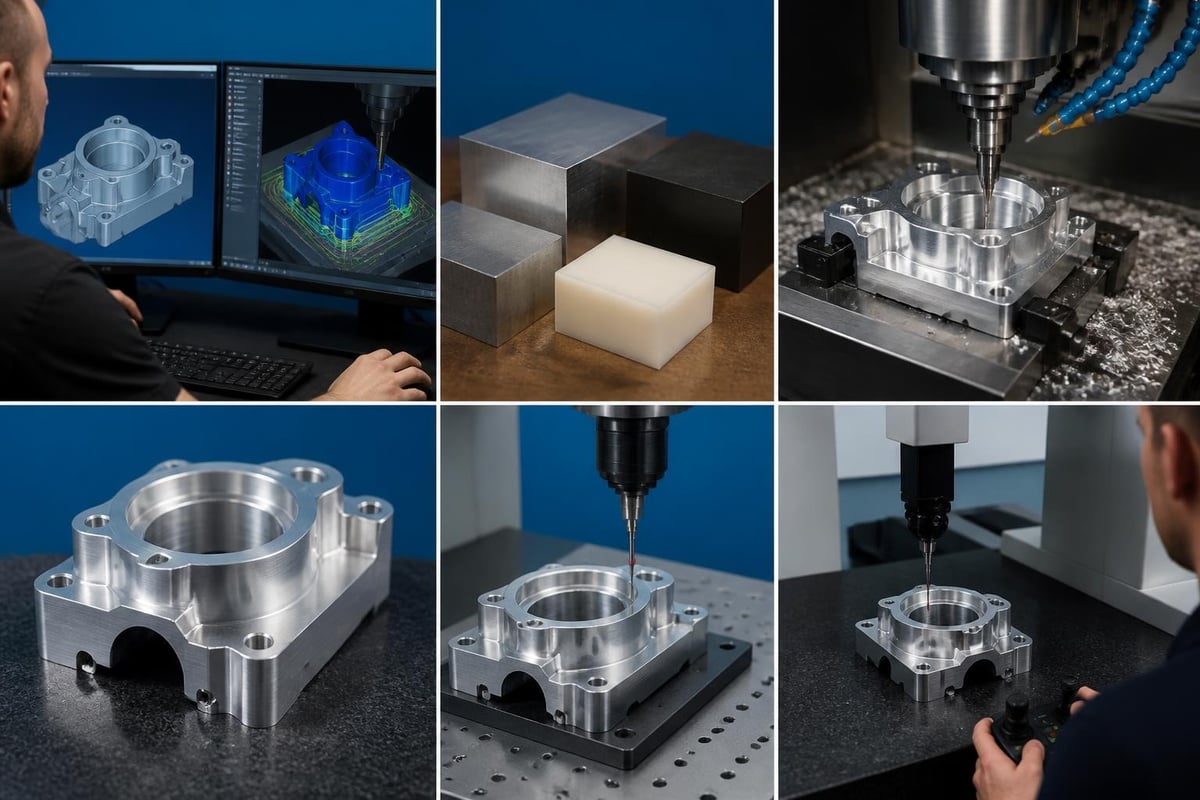
Modern prototype shops employ multiple machining technologies to accommodate diverse material requirements and geometric complexity. CNC milling remains the workhorse for creating complex three-dimensional features, pockets, and contours in aluminum, steel, stainless steel, and exotic alloys. Turning operations on CNC lathes produce cylindrical features, threads, and precision diameters essential for shafts, bushings, and rotating components.
Wire EDM (Electrical Discharge Machining) excels at cutting intricate shapes in hardened materials where conventional tooling would fail. This non-contact process proves invaluable for prototype tooling, punch and die sets, and components requiring sharp internal corners. Surface grinding and cylindrical grinding operations deliver the tight tolerances and superior surface finishes required for mating surfaces, bearings, and sealing interfaces.
Key machining capabilities include:
- Multi-axis CNC milling (3, 4, and 5-axis configurations)
- Precision turning with live tooling
- EDM for hard materials and complex geometries
- Grinding operations for tight tolerances
- Thread cutting and tapping operations
Fabrication Methods for Prototype Development
While machining removes material to create parts, fabrication builds components through joining, forming, and assembly processes. Metal fabrication services for prototyping typically integrate cutting, bending, forming, and welding to create structural assemblies, enclosures, and framework components.
Laser cutting and plasma cutting systems rapidly produce flat patterns from sheet metal with exceptional accuracy. These technologies enable quick turnaround for prototype panels, brackets, mounting plates, and complex two-dimensional shapes. Water jet cutting offers an alternative for materials sensitive to heat-affected zones or when maintaining material properties is critical.
Press brake operations transform flat patterns into three-dimensional components through precise bending. Prototype fabricators use programmable press brakes to create boxes, channels, angles, and complex formed shapes matching design specifications. Roll forming produces cylindrical and conical sections for tanks, housings, and structural components.
| Fabrication Process | Best Applications | Typical Materials | Lead Time |
|---|---|---|---|
| Laser Cutting | Precision flat patterns, complex shapes | Steel, stainless, aluminum | 1-3 days |
| Plasma Cutting | Thicker materials, large parts | Carbon steel, stainless | 2-4 days |
| Press Brake Forming | Enclosures, brackets, channels | Sheet metal alloys | 2-5 days |
| Roll Forming | Cylindrical sections, cones | Various gauges | 3-7 days |
Welding Excellence in Prototype Development
Welding quality directly impacts prototype functionality, durability, and the reliability of test results. Prototype machining and fabrication services Denver providers employ certified welders skilled in multiple processes to accommodate diverse material combinations and joint configurations.
Process Selection for Prototype Assemblies
TIG (GTAW) welding delivers the precision and control required for thin materials, dissimilar metals, and aesthetically critical joints. This process excels when prototyping stainless steel assemblies, aluminum structures, and exotic alloys where heat input must be carefully managed. TIG welding produces minimal spatter and allows precise control over penetration depth and bead appearance.
MIG (GMAW) welding offers faster deposition rates for thicker materials and longer weld seams common in structural prototypes. This semi-automatic process balances productivity with quality, making it ideal for carbon steel frameworks, brackets, and assemblies where production welding will follow similar methods. Advanced MIG systems with pulse capabilities extend the process range into thinner materials while maintaining excellent puddle control.
Stick (SMAW) welding remains relevant for prototype field work and situations requiring deep penetration in thick sections. While less common in precision prototyping, this versatile process handles poor fit-up conditions and works well for initial mock-ups where minor weld appearance variations are acceptable.
Adherence to American Welding Society standards ensures prototype welds meet industry requirements and accurately represent production joint performance. Proper welding procedure specifications (WPS) and welder qualification testing validate that prototype assemblies will translate reliably to full production.
Material Compatibility and Joint Design
Successful prototype welding requires matching process parameters to base materials and joint configurations. Aluminum alloys demand different approaches than carbon steel, while stainless steel grades introduce concerns about sensitization and corrosion resistance. Industrial fabrication companies with deep material science knowledge help engineers select appropriate filler metals, preheat requirements, and post-weld treatments.
Joint design significantly influences prototype weldability and performance. Full-penetration joints provide maximum strength but require back-side access or backing bars. Fillet welds offer simpler preparation and faster execution, making them popular for non-critical prototype assemblies. Designers working with prototype shops benefit from early collaboration on joint accessibility, weld sequence, and distortion control strategies.
Denver's Manufacturing Ecosystem and Prototype Support
The Denver metropolitan area hosts a robust manufacturing infrastructure supporting diverse industries from aerospace to renewable energy. This ecosystem provides prototype developers with access to specialized suppliers, technical resources, and collaborative networks that accelerate development timelines.
Local Technical Resources
Manufacturer’s Edge, Colorado's Manufacturing Extension Partnership (MEP) center, offers technical assistance, supplier scouting, and prototyping support specifically designed for Colorado manufacturers. This NIST-affiliated resource connects businesses with fabrication expertise, design for manufacturing (DfM) guidance, and quality system development that ensures prototypes transition smoothly to production.
The Colorado School of Mines Additive Manufacturing program represents a unique regional asset combining academic research with industry collaboration. Companies developing hybrid prototypes that integrate additive manufacturing with traditional machining and fabrication can access cutting-edge knowledge and equipment through university partnerships.
Denver-area advantages include:
- Proximity to aerospace and defense contractors
- Established oil and gas supply chains
- Growing renewable energy sector
- Access to skilled metalworking workforce
- Collaborative engineering community
Industry-Specific Prototype Requirements
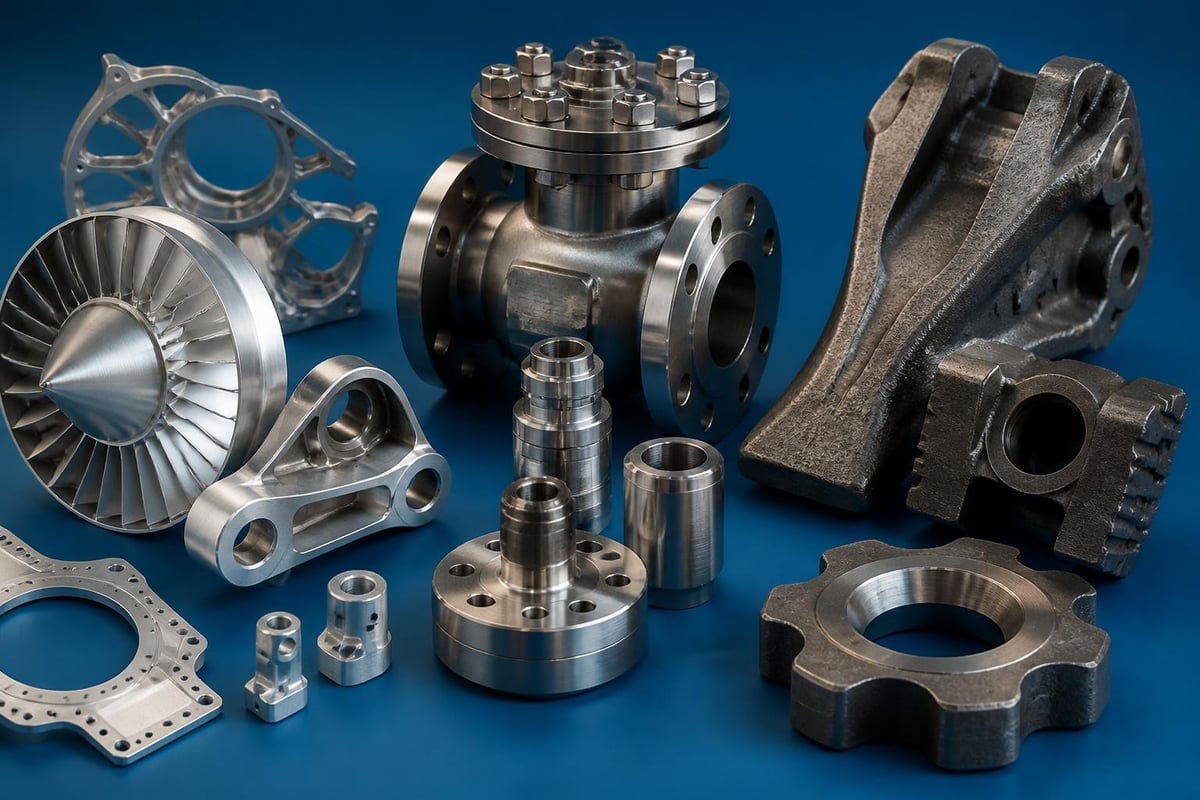
Different sectors demand specialized approaches to prototype development. Oil and gas prototypes often require pressure vessel certifications, exotic material compatibility, and compliance with API standards. Companies seeking custom skid fabrication for oil and gas industry applications need partners familiar with these specific requirements and documentation standards.
Aerospace prototypes demand rigorous material traceability, non-destructive testing, and compliance with AS9100 quality standards. First article inspection reports (FAIR) and detailed documentation packages prove essential when prototypes serve as qualification articles for production approval. Recycling and aggregate equipment prototypes prioritize durability, wear resistance, and maintainability under harsh operating conditions.
Quality Assurance and Inspection for Prototypes
Prototype quality verification requires different approaches than production inspection. While production parts undergo statistical sampling, prototypes typically receive 100% inspection to validate design assumptions and identify potential manufacturing issues before tooling investment.
Dimensional Verification Methods
Coordinate Measuring Machines (CMM) provide the gold standard for complex three-dimensional inspection. These computer-controlled systems probe critical features and generate comprehensive inspection reports comparing actual dimensions against CAD models or engineering drawings. CMM inspection reveals geometric tolerances like perpendicularity, concentricity, and position that traditional measurement tools cannot accurately assess.
Portable measurement technologies extend inspection capabilities to large assemblies and field locations. Laser scanners create complete digital twins of fabricated prototypes, enabling reverse engineering, comparison analysis, and documentation of as-built conditions. Articulated arm CMMs combine portability with precision for structures too large for traditional CMM tables.
Traditional inspection tools maintain importance for specific measurements and quick verification checks:
- Micrometers for precision diameter and thickness measurements
- Height gauges for vertical dimension verification
- Thread gauges for pitch and profile confirmation
- Surface roughness testers for finish validation
- Hardness testers for material property verification
Non-Destructive Testing for Weld Quality
Prototype welds often undergo more rigorous inspection than production joints since they establish baseline performance expectations. Visual inspection by certified welding inspectors (CWI) provides the first quality checkpoint, identifying surface discontinuities, dimensional deviations, and weld profile issues.
Penetrant testing (PT) reveals surface-breaking defects in non-magnetic materials like stainless steel and aluminum. This cost-effective method highlights cracks, porosity, and incomplete fusion that might escape visual detection. Magnetic particle testing (MT) serves similar purposes for ferromagnetic materials with enhanced sensitivity to subsurface indications.
Radiographic testing (RT) and ultrasonic testing (UT) examine internal weld quality without destroying the prototype. RT produces permanent film or digital records of internal weld structure, while UT offers portable inspection capability with real-time results. The choice between methods depends on material thickness, geometry, access limitations, and acceptance criteria specified in ASME Section IX or AWS D1.1 standards.
| Testing Method | Detection Capability | Material Limitations | Cost Level |
|---|---|---|---|
| Visual (VT) | Surface defects | None | Low |
| Penetrant (PT) | Surface breaking | Non-porous only | Low |
| Magnetic Particle (MT) | Surface and near-surface | Ferromagnetic only | Medium |
| Radiographic (RT) | Internal volumetric | Thickness limits | High |
| Ultrasonic (UT) | Internal volumetric | Geometry dependent | Medium-High |
Material Selection Strategies for Prototype Projects
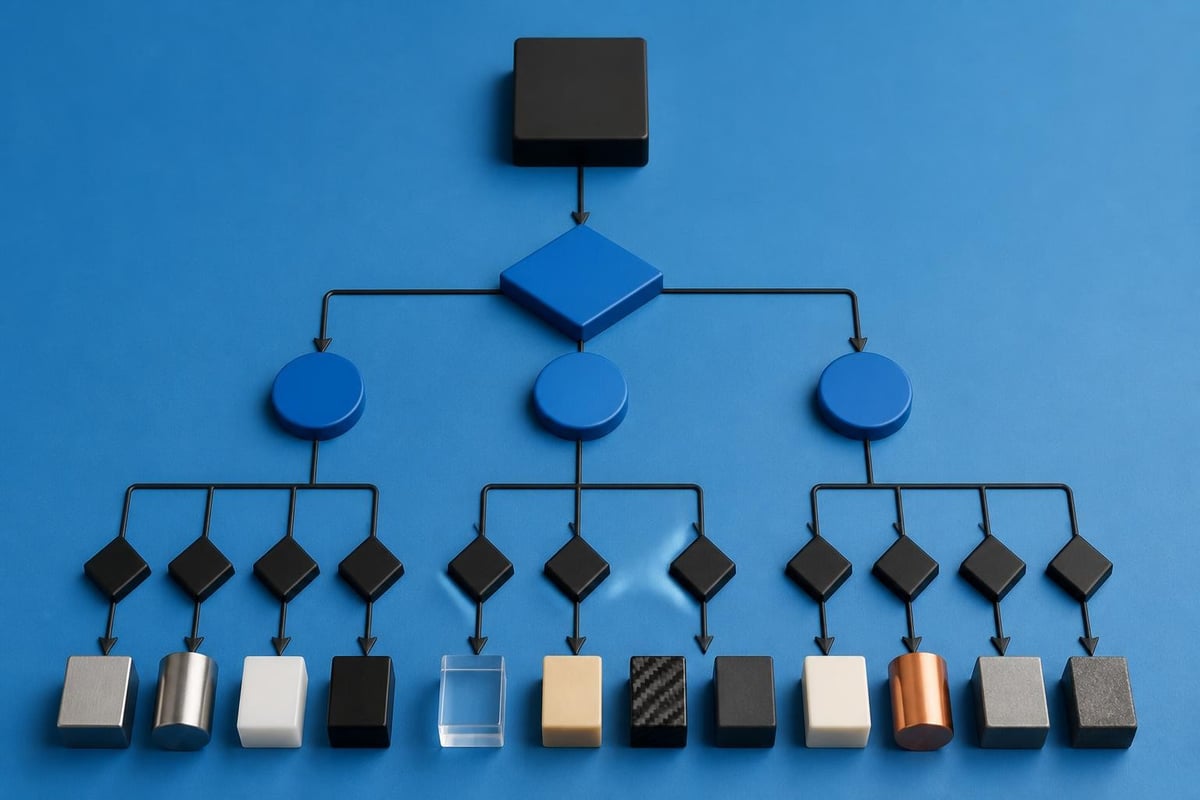
Choosing appropriate materials for prototypes involves balancing performance requirements, machinability, cost, and availability. The material selected for prototyping may differ from production materials when testing concept feasibility versus validating production processes.
Common Prototyping Materials
Aluminum alloys dominate prototype machining due to excellent machinability, light weight, and good strength-to-weight ratios. 6061-T6 offers versatility for general structural applications with good welding characteristics. 7075-T6 provides higher strength for aerospace prototypes but presents welding challenges. 2024 aluminum serves applications requiring excellent fatigue resistance.
Carbon steel grades like 1018 and 1045 provide cost-effective options for prototypes where weight is not critical. These materials machine well, weld easily, and represent production scenarios accurately for many industrial applications. Hot-rolled steel offers lower costs for rough prototypes, while cold-rolled material provides better dimensional consistency and surface finish.
Stainless steel prototypes serve corrosive environments and applications requiring sanitary surfaces. 304 stainless provides general corrosion resistance and good weldability. 316 stainless offers enhanced resistance to chlorides and acidic environments. Machining stainless steel requires appropriate tooling and cutting parameters due to work-hardening tendencies.
Prototype Material Substitution Considerations
Sometimes practical considerations drive material substitution in prototypes. A component designed for titanium production might be prototyped in aluminum to reduce costs during initial concept validation. However, such substitutions require careful analysis of how material property differences affect test results.
Engineers must account for modulus of elasticity variations when testing deflection or vibration characteristics. Thermal expansion coefficients differ significantly between materials, potentially invalidating thermal cycling tests. Density differences affect inertial properties in rotating assemblies. Custom metal machining specialists help navigate these trade-offs to ensure prototype test results remain meaningful.
Lead Times and Project Scheduling
Understanding realistic timelines for prototype machining and fabrication services Denver providers can deliver helps project managers develop achievable schedules and avoid critical path delays.
Typical Timeline Components
Design finalization and documentation often consumes more time than anticipated. Complete, dimensioned drawings with clear tolerances, material callouts, and finish specifications accelerate quoting and production start. Incomplete or ambiguous documentation generates clarification cycles that extend lead times and increase error risk.
Material procurement lead times vary dramatically by alloy, form, and size. Common materials like 6061 aluminum plate and 1018 steel bar stock typically ship within days. Exotic alloys, large forgings, and specialty forms may require weeks or months. Strategic prototype shops maintain inventory of frequently used materials to minimize this variable.
Programming and setup represents significant upfront investment for CNC machining and automated fabrication. Complex five-axis milling programs require extensive development time and simulation to verify tool paths. First-article setup and proving cycles ensure programs produce conforming parts before unattended production runs.
Machining and fabrication operations proceed at rates determined by material removal requirements, complexity, and quality standards. Simple parts may complete in hours, while intricate components requiring multiple setups and operations span several days. Welding complex assemblies demands proper sequencing to manage distortion and access for quality inspection.
- Engineering review and quote development: 1-3 days
- Material procurement (stock items): 2-5 days
- Programming and setup: 1-4 days
- Machining operations: 2-10 days
- Fabrication and welding: 3-7 days
- Inspection and documentation: 1-2 days
- Finishing operations (if required): 2-5 days
Total typical lead time for moderate complexity prototypes: 2-4 weeks
Expedited Prototype Services
Critical projects sometimes require compressed schedules despite the natural time requirements of machining and fabrication processes. Shops offering expedited services typically charge premium rates reflecting overtime labor, priority material purchasing, and workflow disruption.
Rush projects benefit from early engagement with fabrication partners. Sharing preliminary designs before finalization allows procurement to begin and enables manufacturing engineering input during design completion. Concurrent engineering approaches where design, programming, and material ordering overlap can compress overall timelines significantly.
However, realistic expectations remain important. Some processes have minimum time requirements that cannot be compressed without quality compromise. Complex welding procedures require specific interpass temperatures and cooling rates. Heat treatment cycles run on fixed schedules. Inspection operations demand careful execution regardless of schedule pressure.
Cost Factors in Prototype Development
Prototype costs typically exceed production part costs on a per-unit basis due to setup amortization, engineering investment, and small batch inefficiencies. Understanding cost drivers helps engineers make informed decisions about prototype complexity and quantity.
Primary Cost Components
Engineering and programming represents pure overhead for single prototypes. CAD modeling, CAM programming, and welding procedure development costs get fully absorbed by one or few parts. This explains why ordering multiple prototypes simultaneously often reduces per-unit costs substantially-programming costs distribute across larger quantities.
Material costs affect project budgets significantly, particularly for exotic alloys or large components. Prototype shops typically purchase materials with minimal excess, avoiding the volume discounts available in production scenarios. Strategic material selection balancing performance requirements against cost constraints optimizes prototype budgets.
Machine time represents the largest variable cost component. Complex geometries requiring five-axis machining command higher hourly rates than simple two-axis operations. Manual processes like TIG welding intricate joints consume more labor hours than automated MIG welding of simple seams. Realistic assessment of complexity guides accurate budget development.
Setup and fixturing costs escalate for parts requiring custom work-holding solutions. Standard vise and chuck work holds simple geometries economically. Complex parts may need dedicated fixtures, soft jaws, or elaborate setups requiring significant engineering and fabrication investment. These costs amortize poorly across small prototype quantities.
Value Engineering for Prototype Budgets
Smart design choices reduce prototype costs without compromising test objectives. Eliminating unnecessarily tight tolerances where parts don't interact with critical mating features avoids expensive grinding and inspection operations. Specifying surface finishes appropriate for function rather than appearance saves time and money.
Designing for efficient machining orientations minimizes setups and tool changes. Features oriented along a single axis machine faster than those requiring multiple repositioning cycles. Incorporating standard holes, threads, and hardware rather than custom features accelerates fabrication and reduces tooling costs. Working with experienced welding companies early in design helps identify cost-effective joint configurations and fabrication sequences.
Regional Considerations for Denver-Area Projects
Geography influences prototype development in ways beyond simple shipping logistics. Denver's elevation, climate, and industrial base create specific advantages and considerations for manufacturers seeking local prototype machining and fabrication services.
Altitude and Environmental Factors
Denver's mile-high elevation affects welding parameters, material behavior, and equipment performance. Shielding gas flow rates require adjustment for reduced atmospheric pressure to maintain proper weld pool protection. Arc characteristics change subtly, requiring experienced welders familiar with high-altitude technique modifications. Shops operating near sea level may need parameter adjustments when fabricating prototypes destined for Denver deployment.
Temperature extremes between Colorado's cold winters and hot summers influence material handling and dimensional stability. Thermal expansion considerations become particularly important for large assemblies and precision components. Climate-controlled fabrication environments maintain dimensional consistency during prototype production.
Workforce and Expertise Availability
Colorado's strong educational system and established manufacturing base provide access to skilled machinists, welders, and fabricators. Technical programs at community colleges and trade schools supply trained workers familiar with modern CNC equipment and welding technologies. However, competition from aerospace, defense, and energy sectors creates challenges recruiting and retaining top talent.
Shops investing in workforce development through apprenticeship programs and continuing education maintain capability advantages. Relationships with regional technical schools ensure access to emerging talent while contributing to industry sustainability. This commitment to skill development directly impacts prototype quality and delivery reliability.
Proximity to End-Use Industries
Denver's location in the Rocky Mountain region positions prototype shops near major oil and gas operations, mining activities, and renewable energy installations. This proximity enables collaborative prototype development where engineers, fabricators, and end users work together iteratively. Field fabrication capabilities extend shop services to remote locations where prototypes must be tested or installed.
The region's aggregate and recycling industries demand durable equipment prototypes capable of withstanding abrasive materials and harsh operating conditions. Prototype developers familiar with these applications design appropriate material selections, wear surfaces, and robust construction techniques that accurately predict production performance.
Technology Integration in Modern Prototyping
Advanced technologies increasingly integrate with traditional machining and fabrication to expand prototype capabilities and compress development timelines. Understanding these emerging tools helps manufacturers leverage innovation for competitive advantage.
Additive Manufacturing and Hybrid Approaches
Metal additive manufacturing produces complex geometries impossible through conventional machining while reducing material waste. Direct metal laser sintering (DMLS) and electron beam melting (EBM) create functional metal prototypes directly from CAD models. However, surface finish, material properties, and size limitations often require post-processing through conventional machining.
Hybrid manufacturing systems integrate additive deposition with subtractive machining in single platforms. These machines build near-net shapes additively, then machine critical features to final tolerances. This approach optimizes material efficiency while maintaining dimensional accuracy and surface quality. Progressive shops invest in hybrid capabilities to serve advanced prototype requirements.
Digital Thread and Documentation
Modern prototype development generates extensive digital data from design through inspection. Maintaining an integrated digital thread ensures traceability, enables change management, and facilitates transition to production. CAD models, CAM programs, inspection reports, and material certifications form comprehensive documentation packages.
Quality management systems capture this information systematically, providing searchable repositories for future reference. When prototypes transition to production, complete digital documentation accelerates tooling development, process planning, and supplier qualification. Cloud-based collaboration platforms enable real-time communication between designers, fabricators, and stakeholders regardless of geographic location.
Successful prototype development requires expertise across machining, fabrication, welding, and quality assurance disciplines combined with responsive project management and collaborative engineering support. Whether you're developing innovative equipment for oil and gas applications, testing new designs for aggregate processing, or validating manufacturing processes for industrial production, choosing the right prototype partner accelerates time-to-market while controlling development costs. LTJ Industrial Services brings comprehensive machining, welding, and fabrication capabilities to prototype projects throughout the Western United States, delivering the precision, quality, and responsiveness Denver-area manufacturers demand for successful product development.