
Requesting a custom fabrication quote is a critical first step in any industrial manufacturing project. Whether you're commissioning specialized equipment for an aggregate operation, designing custom components for oil and gas infrastructure, or fabricating heavy-duty parts for recycling facilities, the quality of your quote request directly impacts project success. Understanding what information fabricators need, how they calculate costs, and what to expect in a comprehensive estimate empowers buyers to make informed decisions, reduce risk, and ensure projects stay on schedule and within budget. This guide explores the essential elements of obtaining accurate custom fabrication quotes for commercial and industrial applications across the Western United States.
Understanding the Custom Fabrication Quote Process
The journey from initial inquiry to final estimate involves multiple stages that ensure both the fabricator and client have a clear understanding of project requirements. A well-structured request for quotation (RFQ) serves as the foundation for this process, communicating technical specifications, tolerances, material preferences, and delivery expectations.
When fabricators receive an RFQ, they evaluate drawings, assess material availability, calculate labor requirements, and determine equipment needs. Detailed RFQ processes for sheet metal and fabrication projects outline stages including engineering review, prototype development, and production flow considerations that directly influence quote accuracy.
Key Information Required for Accurate Quotes
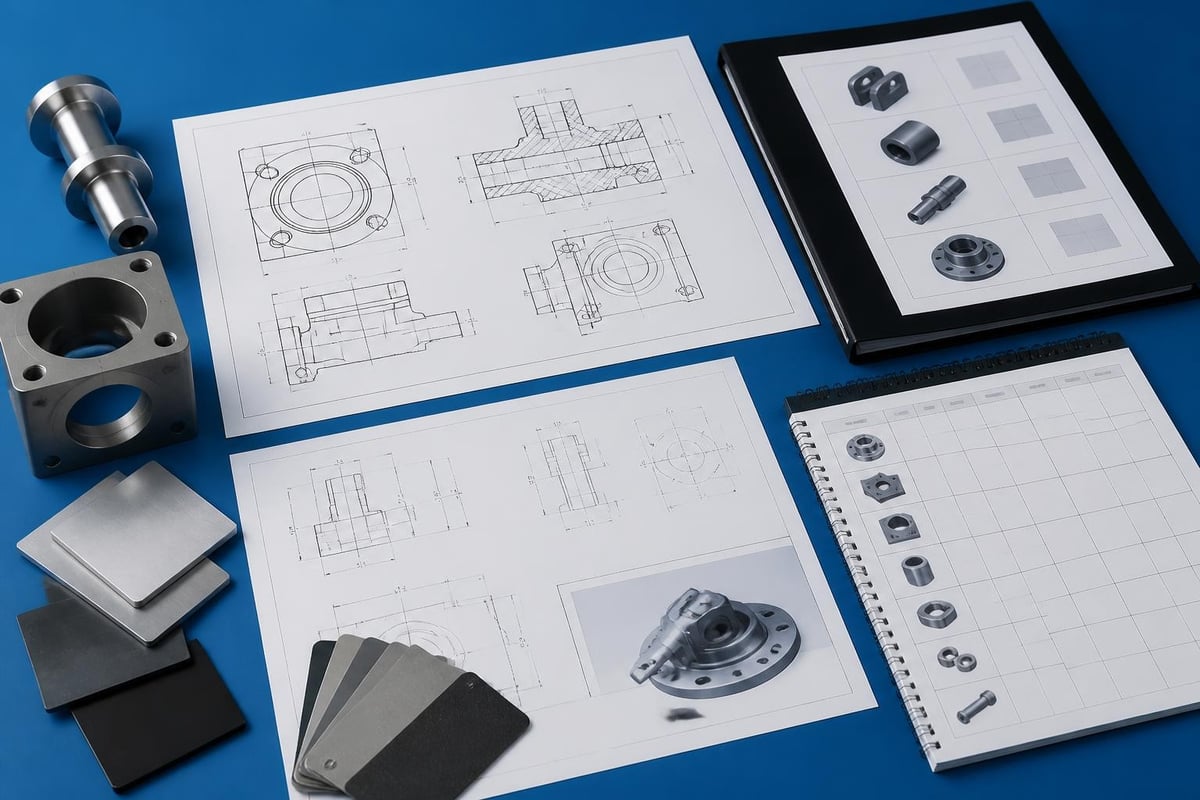
Every custom fabrication quote begins with comprehensive project documentation. The more detailed your initial submission, the more accurate your estimate will be.
Essential documentation includes:
- Complete CAD drawings or technical sketches with dimensions
- Material specifications (grade, thickness, finish requirements)
- Quantity requirements (prototype, small batch, or production run)
- Tolerance specifications and quality standards
- Surface finishing requirements (powder coating, galvanizing, painting)
- Assembly instructions if multiple components are involved
- Delivery timeline and location
- Any industry-specific certifications or standards (AWS, API, ASME)
For projects involving industrial and manufacturing applications, additional considerations like operating environment, load requirements, and maintenance accessibility often influence design and material choices. Fabricators need this context to recommend optimal solutions.
Cost Components in a Custom Fabrication Quote
Understanding how fabricators structure pricing helps buyers evaluate quotes and identify potential value engineering opportunities. A comprehensive custom fabrication quote breaks down costs into distinct categories rather than providing a single lump sum.
Material Costs and Procurement
Material expenses typically represent 40-60% of total fabrication costs, depending on project complexity. Estimating material costs for fabrication shops involves calculating raw material requirements, accounting for nesting efficiency, and adding scrap factors that vary by process and geometry.
| Material Cost Factor | Description | Typical Impact |
|---|---|---|
| Base material price | Current market rate for specified grade | 35-50% of total |
| Scrap allowance | Waste from cutting and nesting | 5-15% of material |
| Material handling | Receiving, storage, preparation | 2-5% of material |
| Special procurement | Non-stock items, minimum orders | Variable |
Steel prices fluctuate based on market conditions, so quotes often include validity periods (typically 30-60 days) beyond which material costs may require adjustment. For large projects or long-term contracts, some fabricators offer material price lock-in provisions.
Labor and Fabrication Time
Labor represents the skilled craftsmanship required to transform raw materials into finished components. Welding cost calculation methods from the American Welding Society detail approaches including cost-per-unit, cost-per-length, and cost-per-weight that help fabricators estimate welding labor and consumables accurately.
Labor cost considerations include:
- Setup time – Programming CNC equipment, fixturing, tooling preparation
- Processing time – Cutting, bending, machining, welding operations
- Quality control – Inspection, testing, dimensional verification
- Finishing – Grinding, deburring, surface preparation
- Assembly – Component integration, hardware installation
Complex geometries, tight tolerances, and specialized welding procedures increase labor hours. Projects requiring certified welders for critical applications or specific AWS D1.1 or API 1104 standards command premium labor rates due to skill requirements and documentation needs.
Equipment and Overhead Allocation
Machine time, facility costs, and overhead represent the third major cost component in custom fabrication quotes. Different processes carry different hourly rates based on equipment investment and operating costs.
A plasma cutting table may bill at $75-125 per hour, while a 5-axis CNC machining center might command $150-300 per hour. Welding operations vary widely based on process, with TIG welding typically more expensive per hour than MIG due to slower deposition rates and higher skill requirements.
Evaluating and Comparing Multiple Quotes
Receiving multiple estimates for the same project is standard practice in industrial procurement. However, comparing quotes requires looking beyond the bottom-line number to understand what each fabricator offers.
Line-Item Analysis
Request itemized quotes that separately list materials, labor, finishing, and any additional services. This transparency allows you to identify where costs concentrate and where potential savings might exist through value engineering.
Practical guidance on online quoting from Thomasnet emphasizes clear communication between buyers and suppliers throughout the RFQ process, ensuring all parties understand specifications and expectations before work begins.

Quality and Capability Assessment
Price represents only one dimension of value. Evaluating fabricator capabilities ensures they can deliver the quality your application demands.
Assessment criteria include:
- Certifications and qualifications – AWS certifications, ISO registration, industry-specific approvals
- Equipment capabilities – Machine size limits, process capabilities, precision levels
- Material handling capacity – Maximum dimensions, weight limits, specialty materials
- Testing and inspection – NDT capabilities, CMM inspection, material certifications
- Project management – Communication protocols, progress reporting, change order procedures
For critical applications in mining equipment fabrication or oil and gas infrastructure, fabricator experience in your specific industry provides valuable insight that prevents costly mistakes and design oversights.
Timeline and Lead Time Considerations
Delivery schedules significantly impact project planning and should be clearly stated in every custom fabrication quote. Lead times vary based on shop workload, material availability, and project complexity.
Standard vs. Expedited Timelines
Typical custom fabrication projects follow a structured timeline from quote acceptance to delivery:
- Engineering review and approval (3-7 days)
- Material procurement (5-21 days depending on stock availability)
- Fabrication and processing (1-6 weeks based on complexity)
- Quality inspection and finishing (3-10 days)
- Packaging and shipping (1-5 days based on destination)
Rush projects can sometimes accommodate compressed schedules at premium pricing, typically 15-30% above standard rates. However, certain processes like heat treating, galvanizing, or specialized coatings cannot be expedited beyond their required cycle times.
Schedule Risk Factors
Several variables can impact delivery timelines beyond the fabricator's control. Transparent communication about these risks helps manage expectations:
| Risk Factor | Potential Delay | Mitigation Strategy |
|---|---|---|
| Material availability | 2-8 weeks | Early material ordering, alternative grades |
| Design changes | 1-4 weeks | Thorough upfront engineering review |
| Inspection failures | 3-10 days | Quality planning, process validation |
| Subcontractor delays | 1-3 weeks | Qualified backup vendors, lead time buffers |
For critical path projects, building schedule contingencies of 15-20% provides buffer against unforeseen complications while maintaining realistic delivery commitments.
Special Considerations for Industrial Applications
Industrial fabrication projects often involve unique requirements that standard commercial work does not encounter. These factors should be addressed explicitly in your custom fabrication quote.
Field Service and Installation Support
Many industrial projects require on-site installation, alignment, or field welding services beyond shop fabrication. Quotes should clearly separate shop work from field services, as field labor typically costs 1.5-2.5 times shop rates due to travel time, per diem, and reduced productivity in field environments.
Hydraulic cylinder repair services represent one example where field service capabilities complement shop fabrication expertise, allowing fabricators to provide complete solutions from manufacturing through installation and maintenance.
Industry-Specific Requirements
Different industries impose distinct standards and documentation requirements that affect quoting:
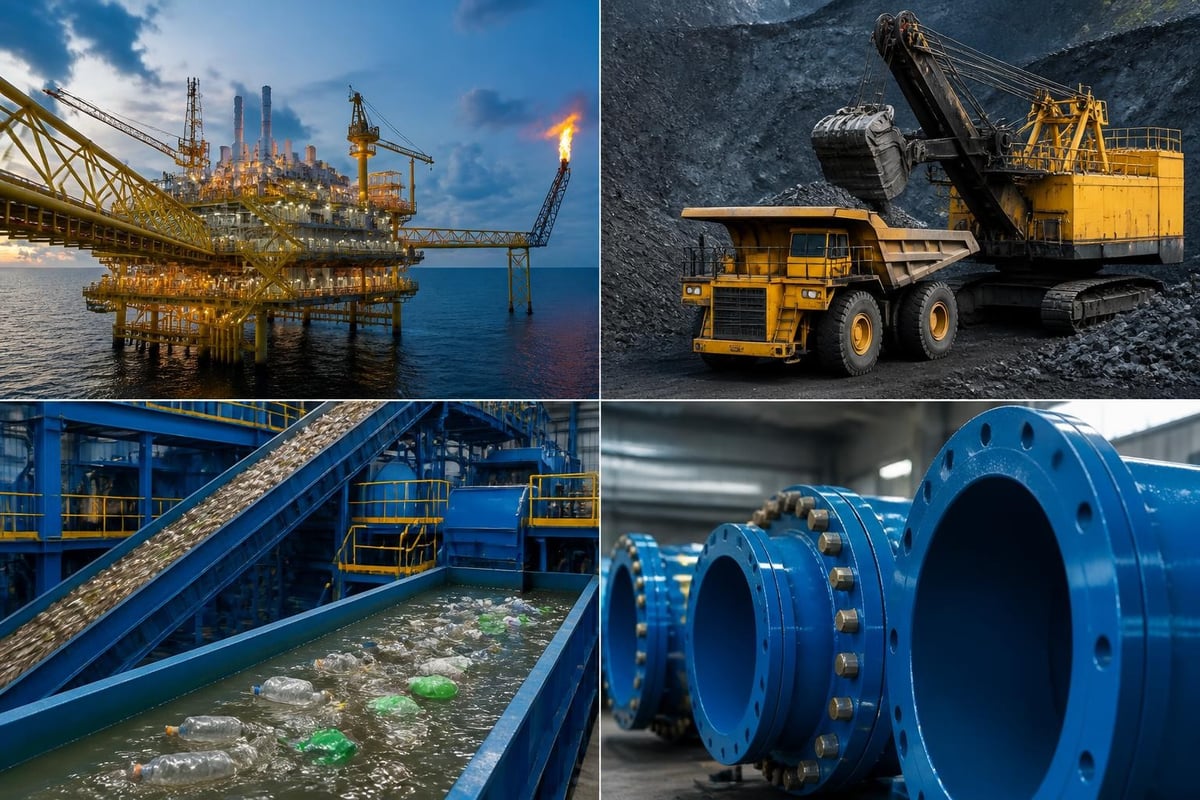
Oil and gas – API standards compliance, material traceability, pressure vessel certifications, NDT documentation
Aggregate and mining – Abrasion-resistant materials, heavy-duty construction, impact loading considerations, wear component replaceability
Recycling operations – Corrosion resistance, contamination prevention, harsh environment durability
Fabricators familiar with your industry build these requirements into quotes automatically, while those lacking sector experience may overlook critical specifications that lead to change orders and budget overruns.
Value Engineering and Cost Optimization
The initial custom fabrication quote rarely represents the final price. Collaborative value engineering between customer and fabricator often identifies opportunities to reduce costs while maintaining or improving functionality.
Design Modifications for Manufacturability
Small design changes can dramatically impact fabrication costs without compromising performance. Experienced fabricators review drawings for optimization opportunities:
- Standardizing hole sizes to reduce tool changes
- Adjusting bend radii to match available tooling
- Consolidating parts to reduce welds and assembly time
- Specifying standard material sizes to minimize cutting waste
- Relaxing non-critical tolerances to enable faster processes
The Manufacturing Extension Partnership program provides resources through local MEP centers that help both fabricators and customers improve estimating accuracy and identify cost-saving manufacturing methods.
Material Substitutions and Alternatives
Material specifications should balance performance requirements with cost considerations. When customers specify materials based on past practice rather than engineering analysis, alternatives may provide equivalent performance at lower cost:
Common optimization opportunities:
- A572 Grade 50 instead of A36 for similar applications (higher strength, less weight)
- Aluminum alloys selected for specific corrosion resistance rather than default grades
- Mild steel with protective coating versus stainless steel where full corrosion resistance isn't required
- Plate versus structural shapes when either configuration works
Fabricators should present these alternatives in quotes, explaining performance trade-offs and cost implications so customers can make informed decisions.
Payment Terms and Project Milestones
Financial terms form an essential component of custom fabrication quotes that buyers sometimes overlook until contract negotiation. Clear payment terms prevent misunderstandings and ensure healthy cash flow for both parties.
Typical Payment Structures
Industrial fabrication projects commonly use milestone-based payment schedules rather than payment-on-delivery terms:
| Milestone | Typical Percentage | Purpose |
|---|---|---|
| Deposit at order | 30-50% | Material procurement, shop scheduling |
| Fabrication complete | 25-35% | Labor and processing costs |
| Delivery/installation | 20-40% | Final balance, retention |
Large projects may include additional milestones tied to engineering approval, long-lead procurement, or partial deliveries. Small Business Administration pricing guidance offers frameworks for structuring payment terms that balance risk and cash flow needs.
Change Order Procedures
Despite thorough planning, design changes and scope modifications occur on many projects. Quotes should outline how change orders are priced, approved, and incorporated into project timelines.
Standard practice includes:
- Written change order requests with technical details
- Fabricator assessment of cost and schedule impact
- Customer approval before proceeding with modifications
- Documentation updating to reflect as-built conditions
Transparent change order processes maintain project momentum while ensuring both parties agree on cost implications before additional work begins.
Getting Your Custom Fabrication Quote Started
Armed with understanding of quote components, evaluation criteria, and optimization opportunities, you're ready to request estimates that deliver accurate pricing and set projects up for success.
Preparing Your RFQ Package
Invest time upfront in comprehensive documentation. A complete RFQ package includes technical drawings, material specifications, quantity requirements, quality standards, delivery expectations, and any special considerations unique to your application or industry.
When technical drawings don't exist, dimensional sketches with clear callouts and reference photos of similar components help fabricators understand requirements. For complex projects, consider requesting preliminary engineering consultation before formal quoting to align on feasibility and approach.
Selecting Fabrication Partners
Choose fabricators whose capabilities align with your project requirements. A shop specializing in precision aerospace components may not be the optimal choice for heavy industrial fabrication, while a structural steel specialist might lack the equipment for tight-tolerance machining.
Regional proximity offers advantages for large fabrications where shipping costs become significant, field service requirements, and the ability to visit the shop for in-process inspections. However, specialized capabilities sometimes justify working with distant fabricators who possess unique expertise or equipment.
When requesting your fabrication quote, clearly communicate project priorities whether they emphasize cost, timeline, quality, or some balanced combination. This transparency helps fabricators tailor their approach and pricing to deliver maximum value for your specific needs.
Understanding the custom fabrication quote process empowers industrial buyers to make informed decisions, select qualified partners, and achieve project success. The combination of comprehensive RFQ documentation, thorough quote evaluation, and collaborative value engineering delivers optimal results while managing costs and timelines effectively. LTJ Industrial Services brings decades of experience serving the commercial and industrial manufacturing sectors throughout the Western United States, providing expert welding, fabrication, and machining services for recycling, aggregate, mining, and oil and gas applications with the technical expertise and transparent quoting processes that keep your projects on track and within budget.